Each month of the year has its own birthstone, and a few months have more than one. The full list runs garnet, amethyst, aquamarine, diamond, emerald, pearl, ruby, peridot, sapphire, opal, topaz, and turquoise, from January to December. If you were born in April, your birthstone is the diamond. Here is the complete 2026 chart, the meaning behind each stone, and how to give a birthstone piece that lasts.
I’m Suman Smith, founder of Lux Jewels. I started this as Canada’s first lab grown diamond company back in 2015, and birthstones come up constantly when people are choosing a meaningful gift. So let’s walk through them properly.
Quick Answer
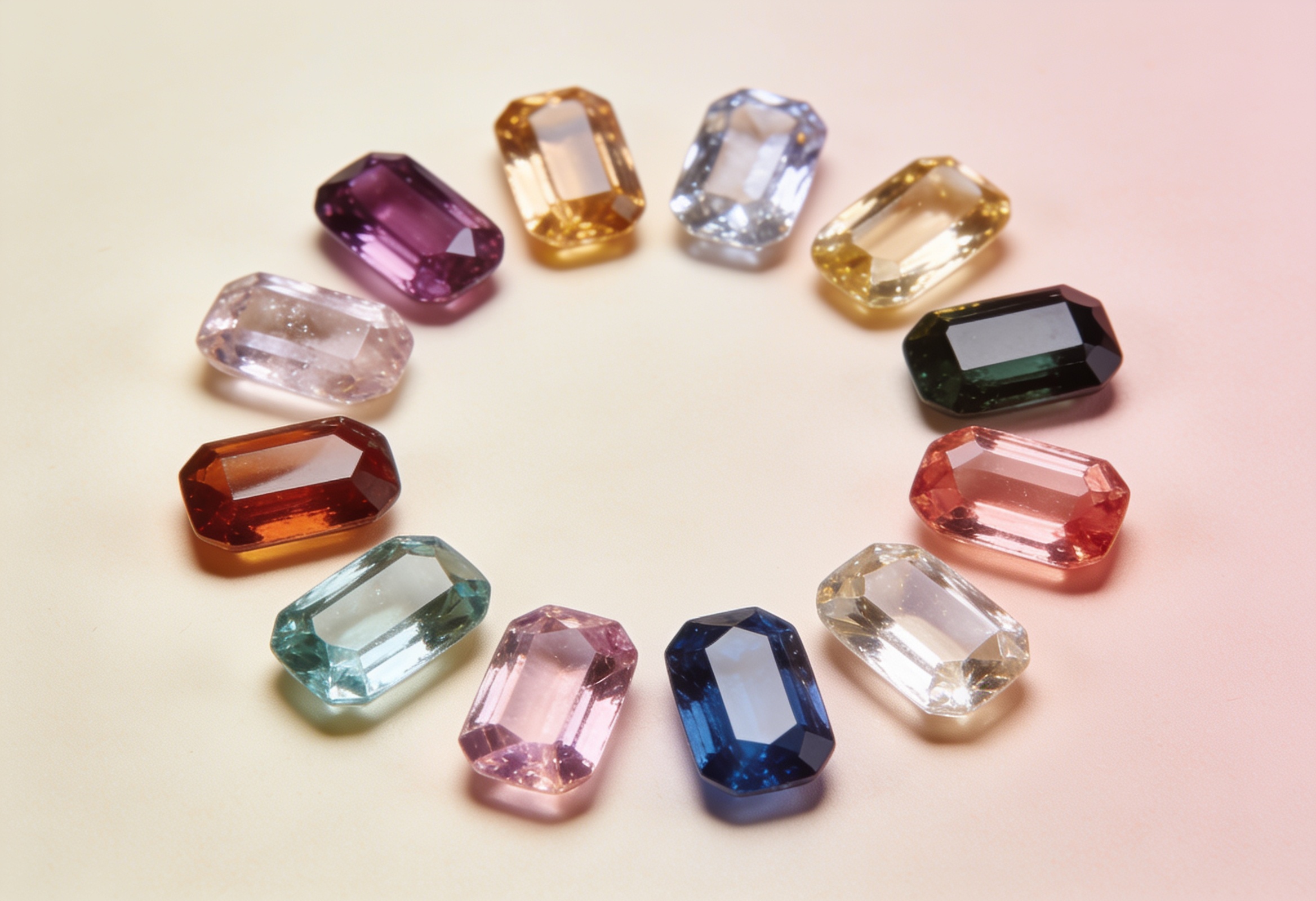
The birthstones by month are: January garnet, February amethyst, March aquamarine, April diamond, May emerald, June pearl, July ruby, August peridot, September sapphire, October opal, November topaz, and December turquoise. Several months also have modern alternative stones.
Birthstones by month chart
This is the modern birthstone list used across North America. Where a month has more than one stone, the most common is listed first.
| Month | Birthstone | Colour & meaning |
|---|---|---|
| January | Garnet | Deep red, a symbol of protection and loyalty. |
| February | Amethyst | Purple, linked to calm and clarity. |
| March | Aquamarine | Pale blue, associated with courage and the sea. |
| April | Diamond | Colourless, the symbol of enduring love and strength. |
| May | Emerald | Green, a sign of rebirth and devotion. |
| June | Pearl, Alexandrite, Moonstone | Three stones; pearl is the classic, for purity. |
| July | Ruby | Red, the stone of passion and vitality. |
| August | Peridot | Lime green, tied to strength and good fortune. |
| September | Sapphire | Blue, a symbol of wisdom and faithfulness. |
| October | Opal, Tourmaline | Iridescent; opal stands for hope and creativity. |
| November | Topaz, Citrine | Golden, linked to warmth and abundance. |
| December | Turquoise, Tanzanite, Zircon | Blue tones, stones of luck and protection. |
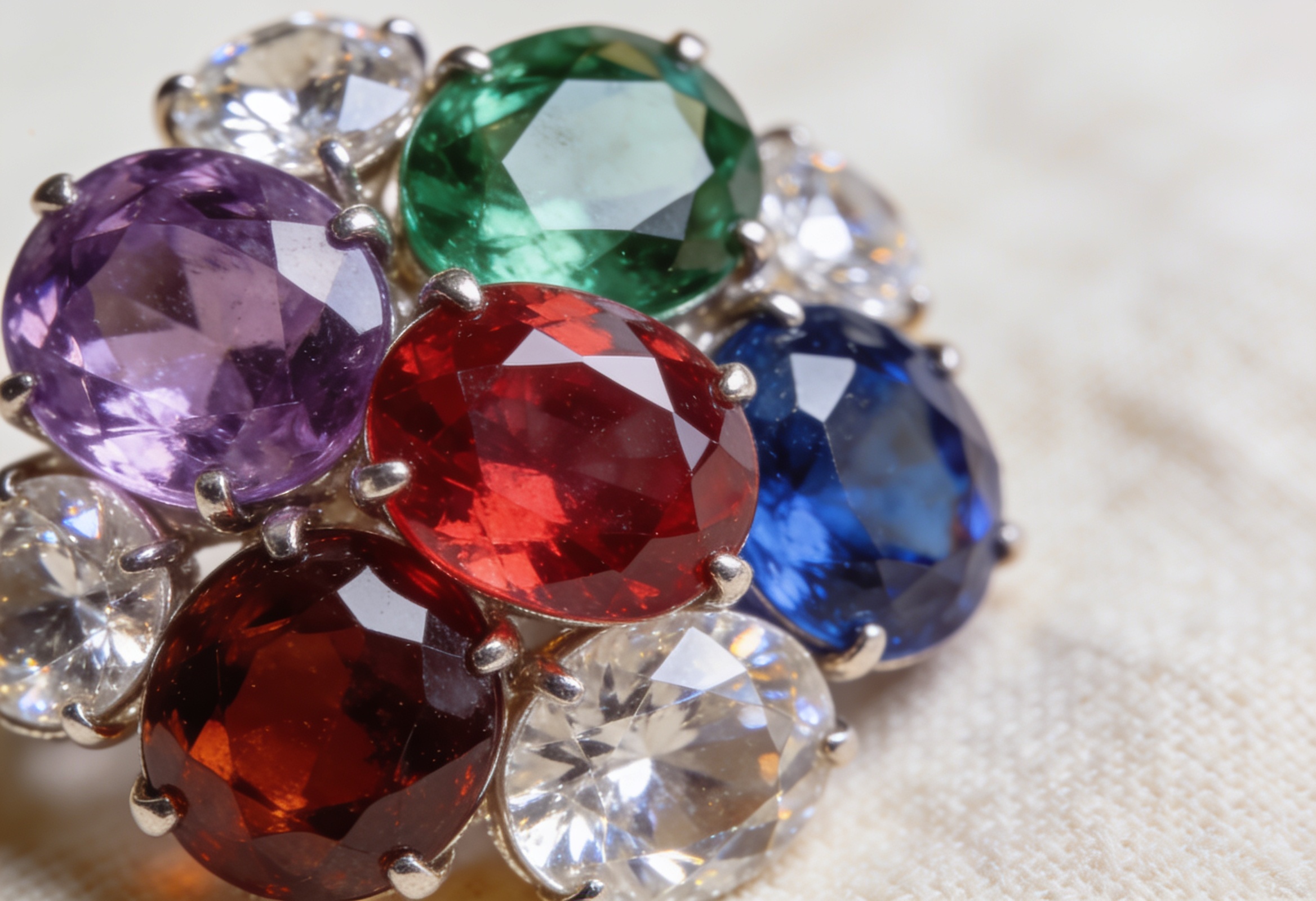
Why do some months have more than one birthstone?
Because the list has been revised over time. The modern birthstone chart was largely standardised in 1912 and updated since, and jewellers added alternatives so there’s a more affordable or more available option for each month. June, October, November, and December each carry several stones. Any of them “counts” as that month’s birthstone, so you’re free to choose by colour, budget, or durability, whatever suits the person best.
Which birthstones are best for everyday jewelry?
Durability matters if the piece will be worn daily, and it’s measured on the Mohs hardness scale (10 is hardest). Diamond (April) is a 10 and the toughest choice by far. Ruby and sapphire (July and September) are 9 and excellent for rings. Softer stones like pearl, opal, and turquoise are beautiful but scratch and chip more easily, so they suit earrings, pendants, and occasional-wear pieces better than an everyday ring.
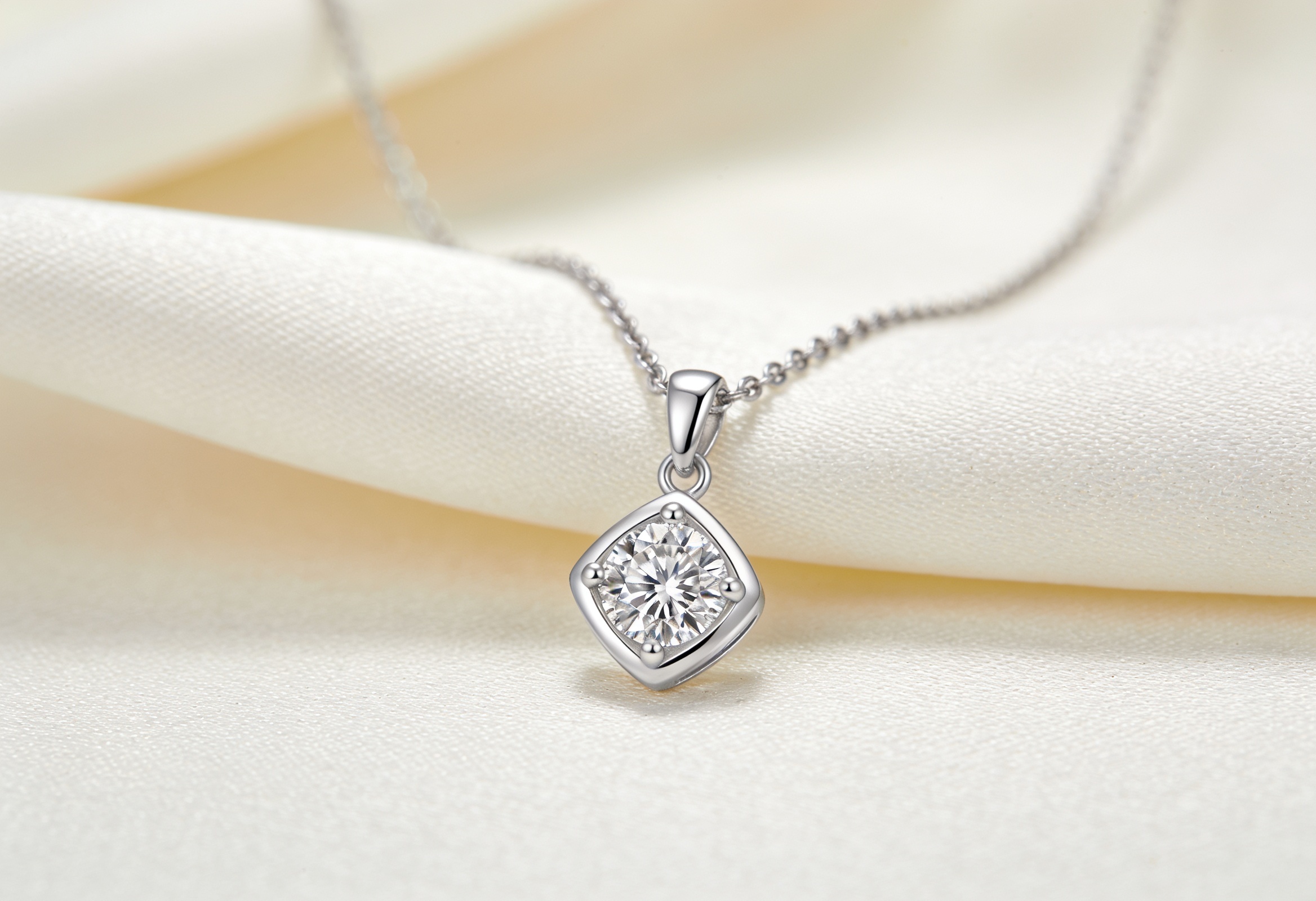
The April birthstone is the diamond
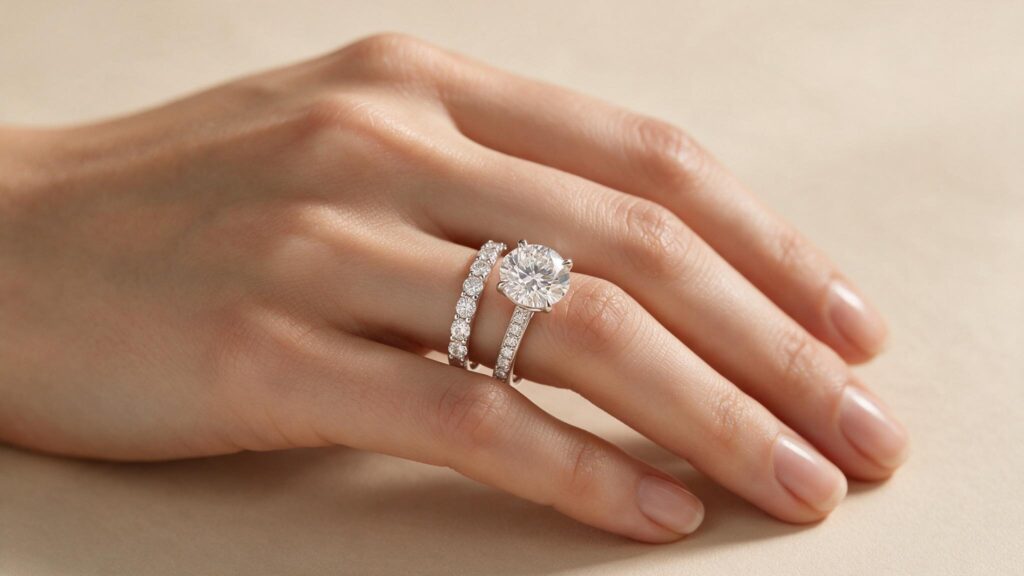
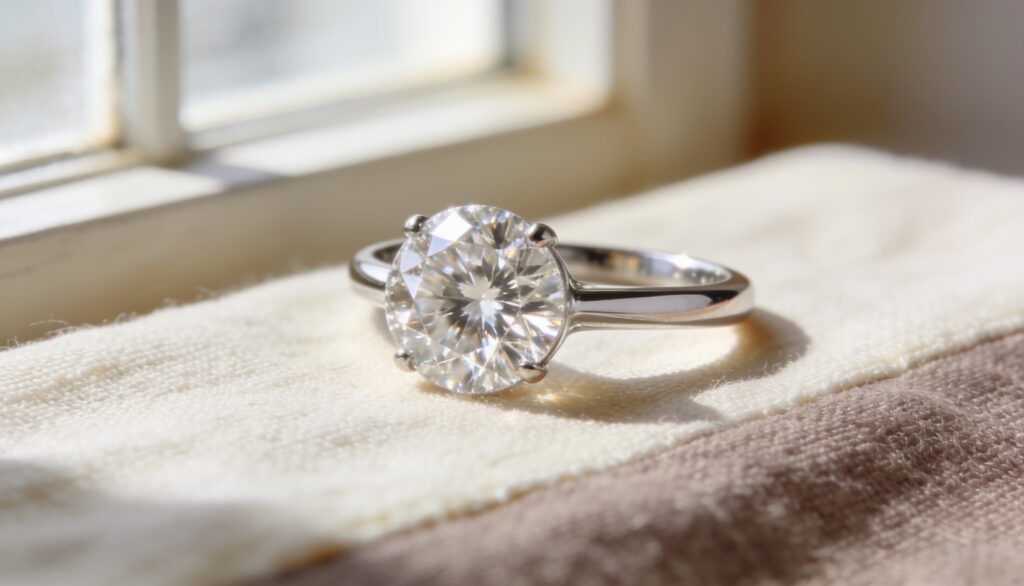
If you’re shopping for an April baby, you’re shopping for a diamond, and that’s where I can help most. A diamond birthstone works for everything from a first pair of studs to a milestone ring, and it’s the one birthstone that’s hard enough to wear every single day for a lifetime.
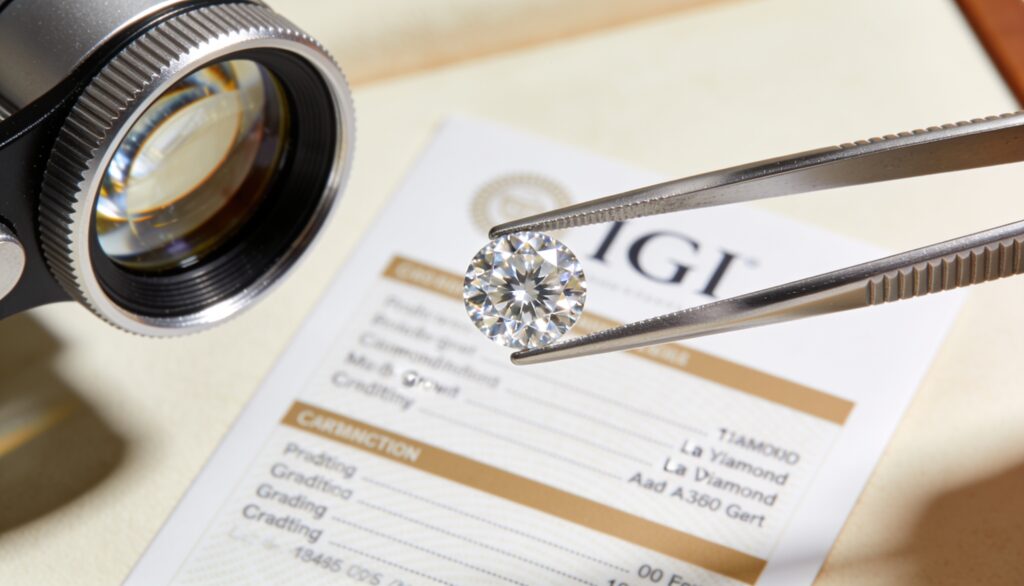
Here’s the part most people don’t realise: you no longer have to pay the mined-diamond price to give a real diamond. A lab grown diamond is a real diamond, chemically identical, certified by IGI or GIA, just grown in a lab instead of mined. So an April birthstone gift, a pendant, studs, or a ring, can be bigger and brighter for the same budget, without the markup. We custom-make all of it in repurposed gold and platinum, across Canada and the USA.
Giving a diamond for April?
Book a private video call with Suman and we’ll design a certified lab grown diamond birthstone piece to suit your budget, a real diamond for far less than mined. No markup games, no sales pressure.
$199 | 30 minutes | Video call
How to give a birthstone gift that lasts
Pick the stone by the wearer’s month, then match the piece to how they’ll wear it: studs and pendants are safe for any birthstone, while rings are best with harder stones like diamond, ruby, or sapphire. Set it in a metal that suits their skin and style, and if it’s a softer stone choose a protective setting like a bezel. If it’s an April gift, a certified lab grown diamond gives you the most sparkle per dollar and a piece that will never wear out.
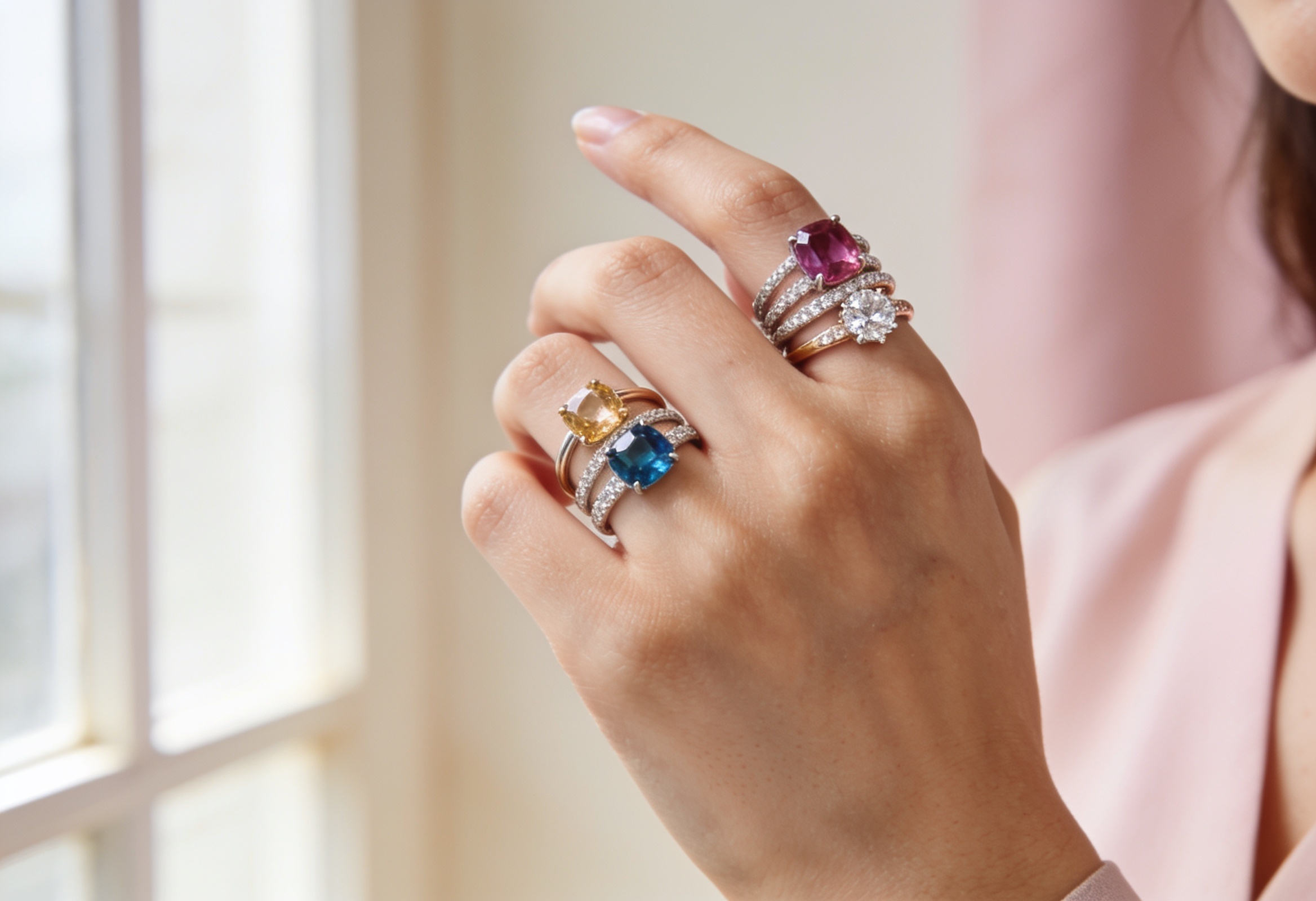
Can you give a lab grown diamond as a birthstone?
Absolutely, and for April it’s the ideal choice. A lab grown diamond is a genuine diamond in every way that matters, so it carries the same April symbolism of enduring love and strength, with a certificate to prove what it is. The only thing that changes is the price, which means a more generous gift. If you’d like help choosing one, that’s exactly what our consultation is for.
Frequently asked questions
What are the birthstones by month?
January garnet, February amethyst, March aquamarine, April diamond, May emerald, June pearl, July ruby, August peridot, September sapphire, October opal, November topaz, December turquoise. Several months also have alternative stones.
Why does June have three birthstones?
Because the modern list was expanded over time to offer more affordable and more available options. June can be pearl, alexandrite, or moonstone, and all three are accepted as June birthstones.
What is the April birthstone?
The diamond. It symbolises enduring love and strength, and it’s the hardest gemstone, which makes it ideal for everyday jewelry. A lab grown diamond is a real diamond and a popular, more affordable way to give it.
Which birthstones are hardest for everyday wear?
Diamond (Mohs 10) is the toughest, followed by ruby and sapphire (Mohs 9). These handle daily wear well. Softer stones like pearl, opal, and turquoise are better for earrings and pendants than everyday rings.
Can a lab grown diamond be an April birthstone gift?
Yes. A lab grown diamond is a genuine, certified diamond, so it carries the same April meaning and works for studs, pendants, or rings, usually at a lower price than a mined diamond.
Related reading: the April birthstone diamond guide, lab grown diamond jewelry, and anniversary gifts by year.