


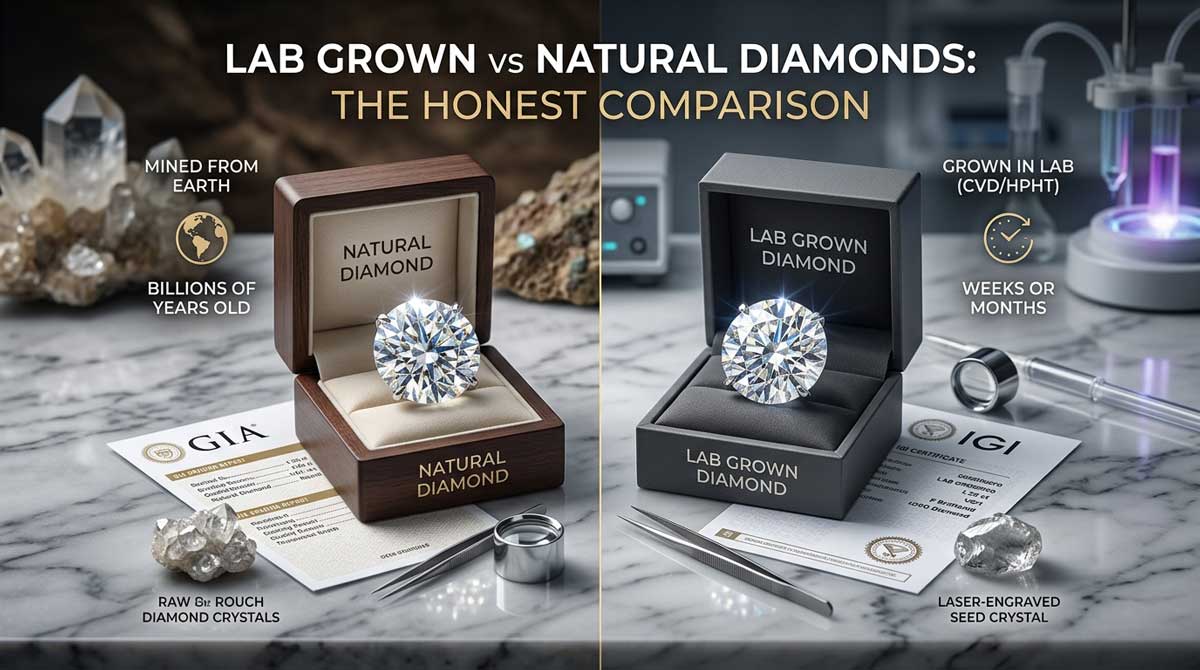
A lab grown diamond is a real diamond, with the same carbon structure, hardness, and sparkle as a mined one.
It grows in a lab instead of underground, but it's pure crystallised carbon either way, it rates 10 on the Mohs hardness scale, and it's graded on the same 4Cs by the same labs, IGI and GIA. A jeweller can't tell a lab grown diamond from a mined one by eye, and neither can you. The only real difference from a mined diamond is the price, because there's no mining and no mined-diamond markup.
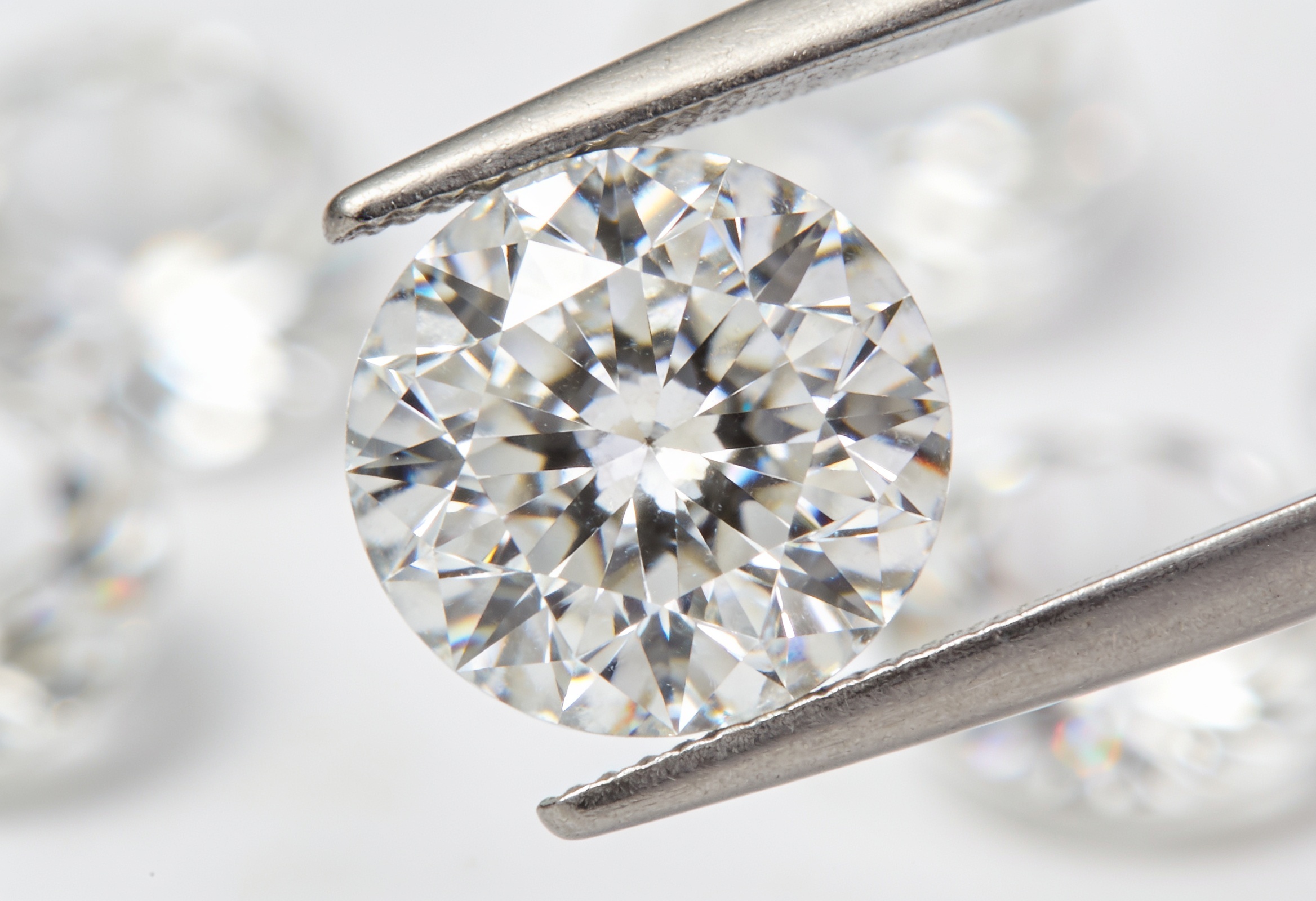
Moissanite is a separate gemstone, made of silicon carbide, that looks similar to a diamond but isn't one.
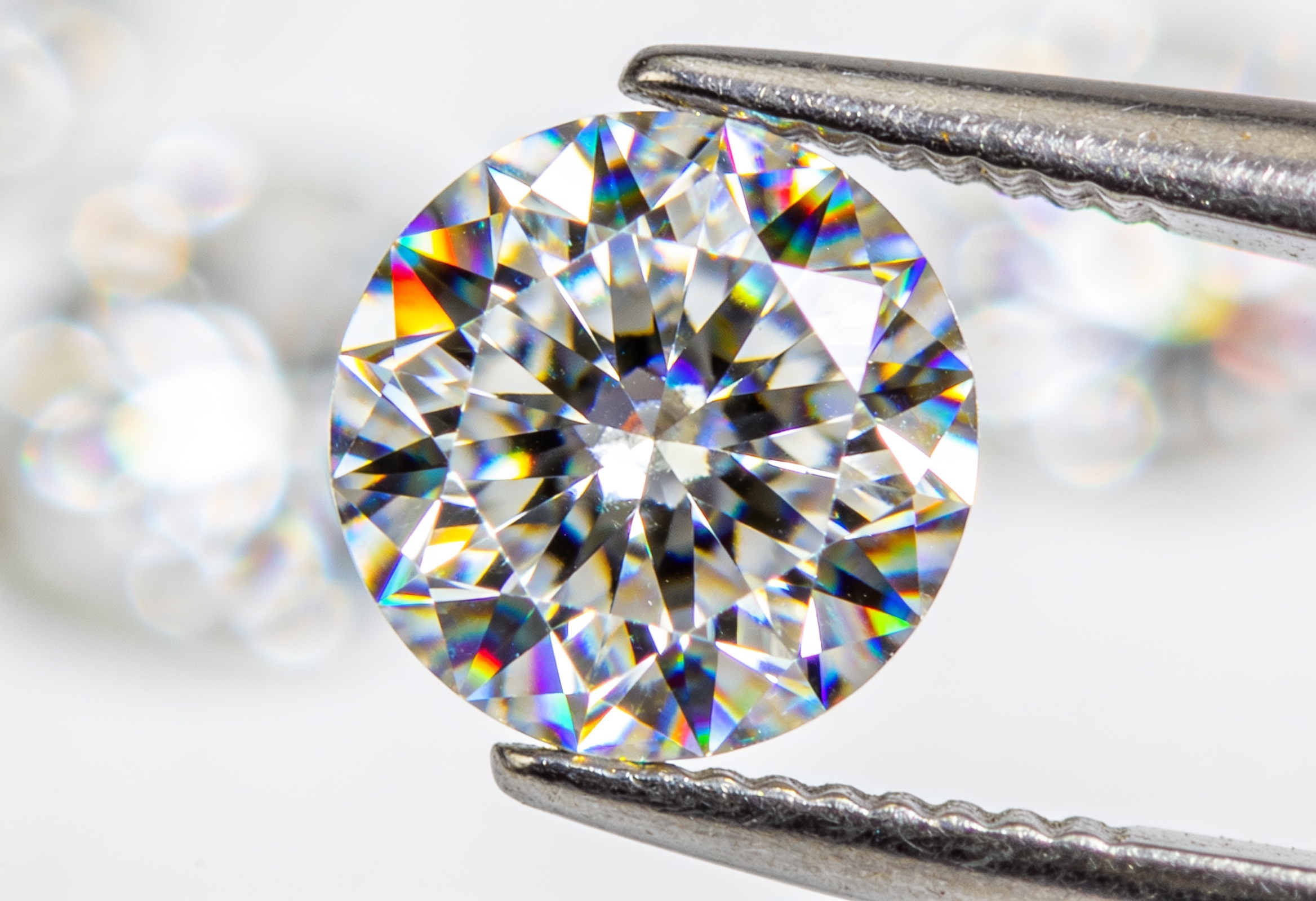
It was first found in a meteorite and is now grown in a lab. It's very hard, about 9.25 on the Mohs scale, so it wears well, and it's known for throwing more colourful rainbow flashes than a diamond, a sparkle some people love and others find a touch too flashy. The big draw is price: moissanite costs less than a lab grown diamond, and far less than a mined one. It's a real gem in its own right, just not a diamond.
The honest differences, laid out simply.
| Lab Grown Diamond | Moissanite | |
|---|---|---|
| What it is | A real diamond (carbon) | A different gem (silicon carbide) |
| Hardness (Mohs) | 10, the hardest | 9.25, very hard |
| Sparkle | Classic white diamond brilliance | More colourful rainbow fire |
| Certification | IGI or GIA, on the 4Cs | Brand or supplier reports |
| Resale & recognition | Recognised as a diamond | Valued as moissanite |
| Relative price | Lower than mined, more than moissanite | The lowest of the three |
| Best for | A real diamond at a fair price | Most sparkle for the least spend |
Both are beautiful and both wear well every day. The choice comes down to whether you want a real diamond or the lowest price.
Choose a lab grown diamond when you want a real diamond, the actual stone, certified and recognised as a diamond, at a price far below mined. It's the right call for an engagement ring you want to mean "diamond" without question, for anyone who cares that the centre stone is the real thing, and for a piece you may want appraised or insured as a diamond down the road.
Because it's chemically identical to mined and graded by IGI or GIA, you're never compromising on what it is, only on the price. For most engagement rings, this is the choice I guide people toward.
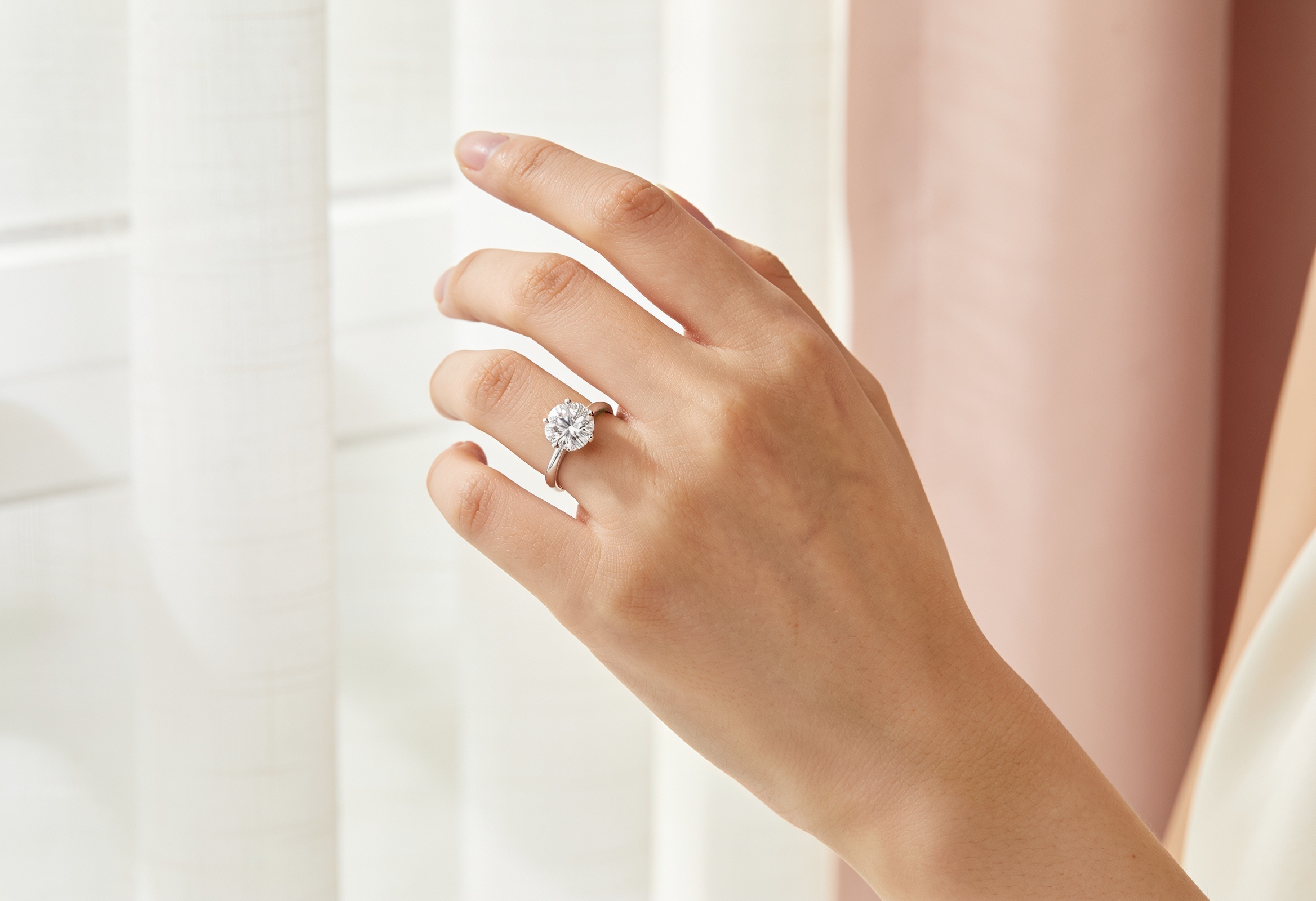
Choose moissanite when the lowest price and the most sparkle matter more than the stone being a diamond. It's a smart pick for a tight budget, for a bigger look per dollar, for travel or everyday rings where you'd rather not wear something pricier, and for anyone who simply loves that extra rainbow fire.
It's a genuine gem and it holds up well to daily wear. The only thing to keep in mind is that it's valued and recognised as moissanite, not as a diamond, so if "real diamond" matters to you, lab grown is the way to go. I'll never push you toward the pricier stone if moissanite is the better fit for your situation.

I'm Suman Smith, founder of Lux Jewels. I started this as Canada's first lab grown diamond company back in 2015, and with over 20 years in the trade I've helped thousands of people choose the right stone. I sell lab grown diamonds, so it would be easy to push them every time, but I don't. If moissanite is the better fit for your budget and goals, I'll tell you so.
What I do is custom-design engagement rings and fine jewelry in repurposed gold and platinum with certified lab grown diamonds, across Canada and the USA, by video. No inflated markups, no pressure, no upsell. Book a free consultation and you'll get a straight, honest recommendation for your situation.
No. A lab grown diamond is a real diamond, made of carbon and graded by IGI or GIA. Moissanite is a separate gem, made of silicon carbide. They look similar but they're different stones, and moissanite costs less.
Up close, sometimes. Moissanite throws more colourful rainbow flashes, so a trained eye or a quick tester can tell. At normal viewing distance most people can't, but a lab grown diamond will always test and certify as a real diamond, while moissanite tests as moissanite.
Yes. Moissanite is the least expensive of the three, then lab grown diamond, then mined diamond. The gap is why moissanite is popular for a bigger look on a tight budget, while lab grown is popular for a real diamond at a fair price.
It depends on what matters most. If you want the centre stone to be a real diamond, choose a lab grown diamond. If the lowest price and the most sparkle matter more than it being a diamond, moissanite is a smart choice. Both wear well for daily life.
Both hold up well to everyday wear. Diamond is the hardest material at Mohs 10; moissanite is close behind at about 9.25, so it resists scratches and lasts for years. For an everyday ring, either one is durable enough.
We specialise in certified lab grown diamonds and custom design. On a free call we'll give you the honest comparison for your budget and goals, and if moissanite is genuinely the better fit, we'll tell you that too.
Book a free consultation, 30 to 40 minutes by video call, and get an honest recommendation for your budget and your ring. Custom made in Canada, shipped across Canada and the USA.
Book Your Free Consultation Optimized by Seraphinite Accelerator