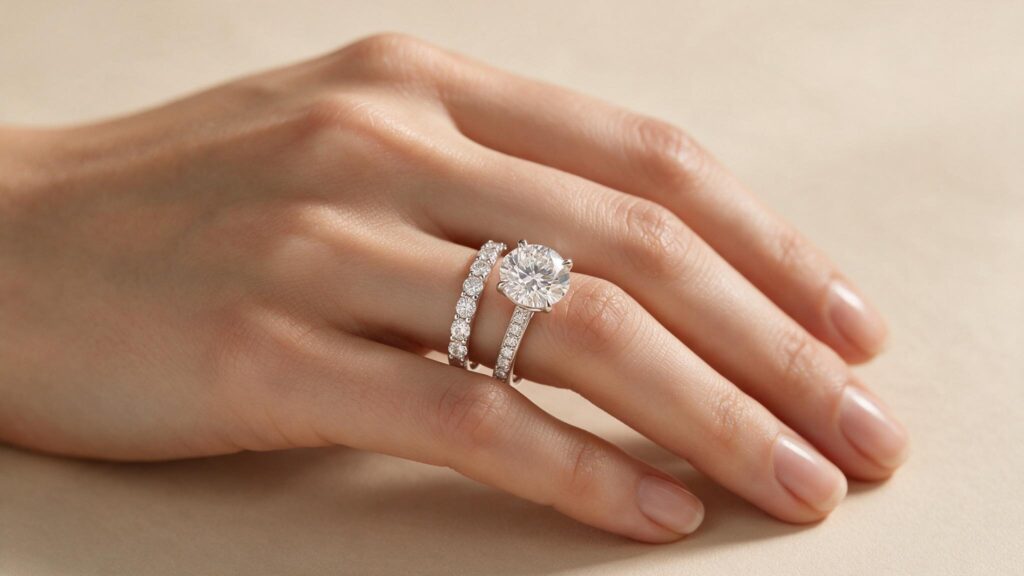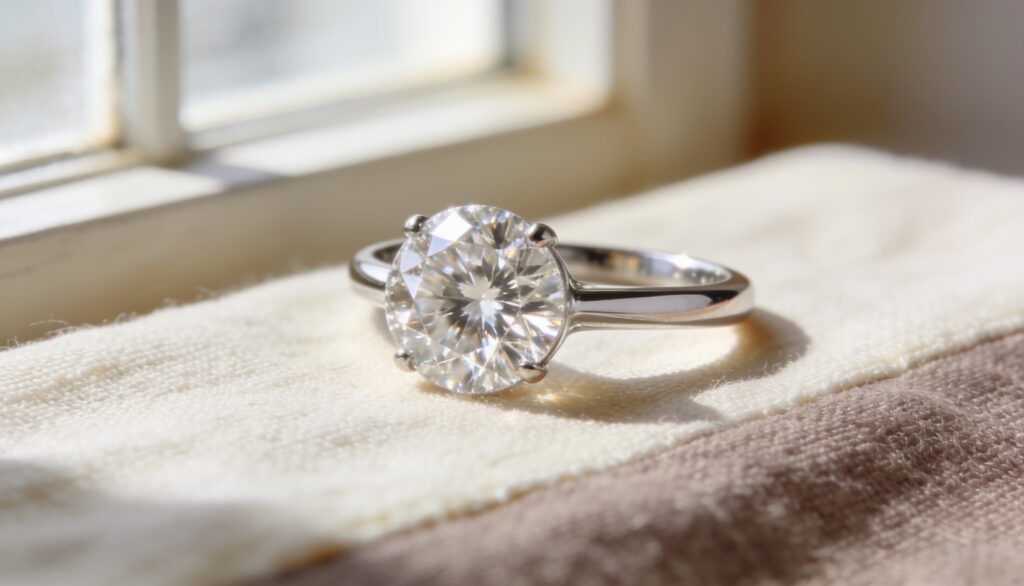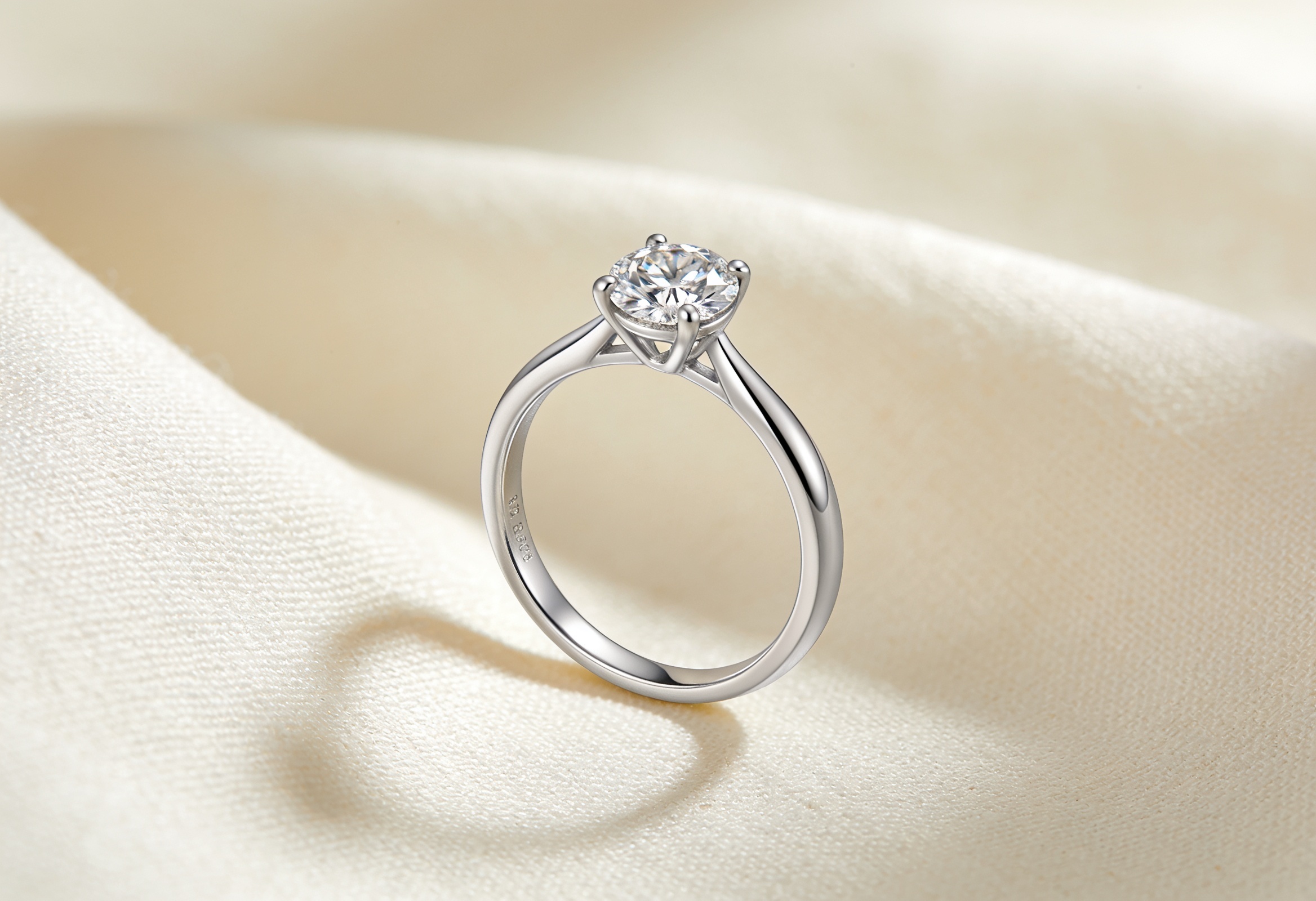
Lab grown diamonds went from a 1950s industrial experiment to the engagement ring on millions of hands. Here is the honest timeline, who actually made the breakthroughs, and how the technology that grows a gem-quality diamond in weeks finally caught up to the diamond that took the earth a billion years.
Quick Answer
The first reproducible lab grown diamonds were created by General Electric in 1954 and announced in 1955, using high pressure high temperature (HPHT) synthesis. Those early stones were small and industrial. Gem-quality lab grown diamonds for jewelry did not arrive at scale until the 2010s, once chemical vapor deposition (CVD) matured.
When were lab grown diamonds invented?
The first reproducible lab grown diamonds were created by General Electric in 1954 and announced in 1955, using high pressure high temperature (HPHT) synthesis. Those early stones were small and industrial. Gem-quality lab grown diamonds suitable for jewelry did not arrive at scale until the 2010s, once chemical vapor deposition (CVD) matured.
Early experiments (1800s to 1940s)
The idea is older than most people think. From the late 19th century, scientists tried to copy the conditions deep in the earth’s mantle that turn carbon into diamond: enormous pressure and intense heat. Many claimed success, but none could be reliably reproduced. For decades, growing a real diamond stayed just out of reach.
General Electric and the first synthetic diamonds (1950s to 1970s)
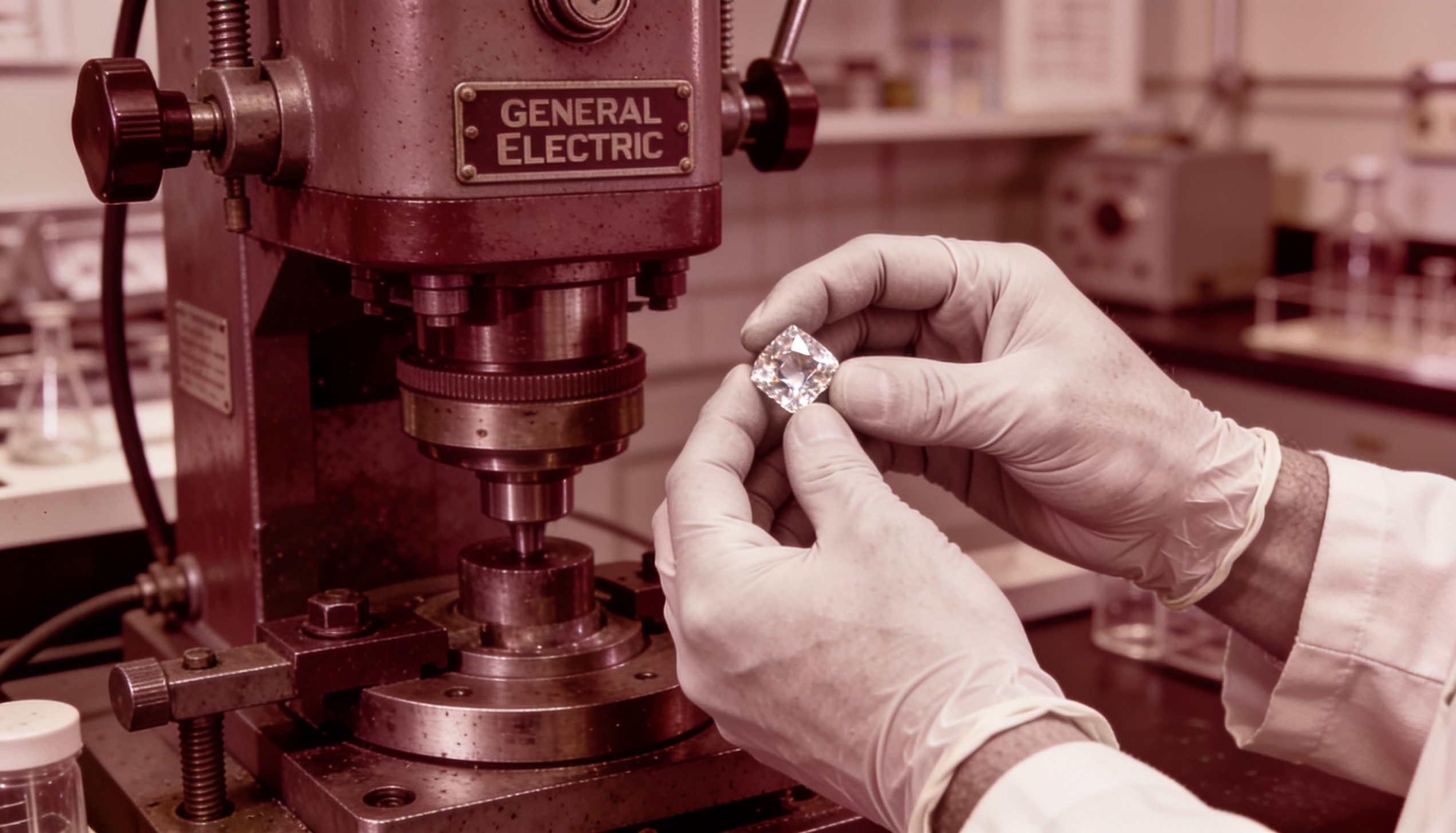
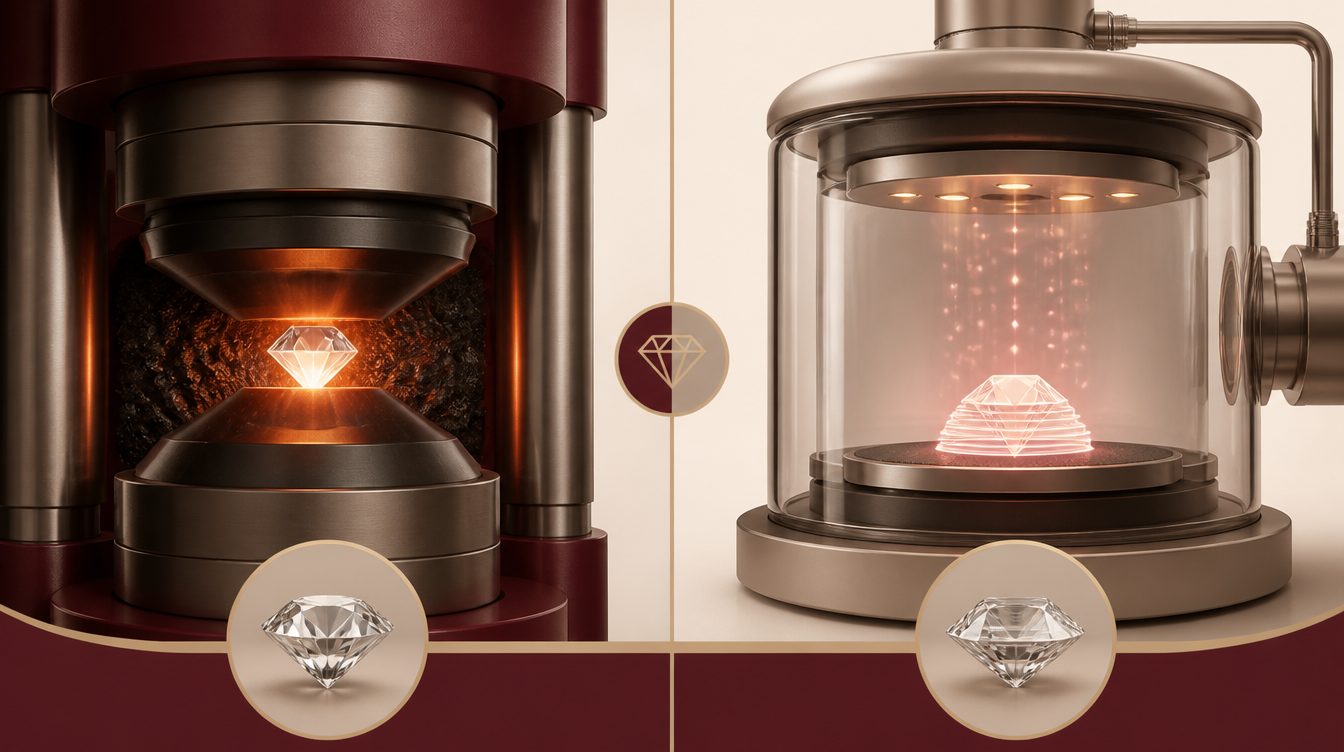
In 1954, a General Electric team led the first repeatable diamond synthesis, made public in 1955. The method was HPHT: it recreates the earth’s pressure and temperature using a press that squeezes carbon at roughly 1,500 degrees Celsius under massive force. These first lab diamonds were tiny and cloudy, perfect for cutting tools, drill bits, and abrasives, but nowhere near jewelry grade. For the next two decades, lab grown diamonds were an industrial material, not a gem.
The gem-quality push (1980s to 1990s)
Through the 1980s and 1990s, researchers kept improving size and clarity, and a second growth method matured alongside HPHT: chemical vapor deposition. Instead of crushing carbon, CVD grows a diamond layer by layer from a carbon-rich gas inside a vacuum chamber. It runs at lower pressure and gives growers more control over purity. Gem-quality results were still expensive and slow, so jewelry use stayed rare, but the groundwork was set.
CVD vs HPHT: the two ways a lab diamond is grown
Every lab grown diamond today is made one of two ways, and it is worth knowing the difference before you buy.
| Method | How it works | Best for |
|---|---|---|
| HPHT (high pressure high temperature) | Squeezes and heats carbon under earth-like pressure until a diamond crystallizes around a seed | Certain colors and treating other diamonds |
| CVD (chemical vapor deposition) | Grows the diamond from carbon gas in a chamber, layer by layer | High-volume, ultra-pure type IIa gems |
Both create real diamonds. Chemically and optically they are identical to mined stones. The growth method matters for a grower; for you, what matters is the certificate and the cut.
Gemesis and jewelry-grade lab diamonds (2000s)
The 2000s were the turning point. Companies like Gemesis (later Diamond Foundry) began producing diamonds specifically for jewelry, not just industry. These stones were chemically and structurally identical to natural diamonds, graded on the same 4Cs, but grown in a controlled lab in weeks rather than mined. Consumer interest in ethical, traceable, lower-cost stones gave the category its first real pull.
Mainstream adoption and the FTC 2018 ruling
The 2010s changed everything. Growing costs dropped, quality climbed, and lab grown diamonds moved from niche to normal. The biggest milestone came in 2018, when the US Federal Trade Commission updated its rules and removed the word “natural” from its definition of a diamond. In plain terms, the FTC confirmed a lab grown diamond is a real diamond. That single ruling ended the “is it even a diamond” debate and opened the floodgates for buyers.
Lab grown diamonds today
Lab grown diamonds are now mainstream. They cost without the mined-diamond markup of a comparable diamond of the same cut, color, clarity, and carat, they come with IGI or GIA certificates, and most major retailers carry them. The technology that once made a one-carat stone unthinkable now makes a flawless, type IIa, two-carat diamond accessible to an ordinary couple. The history of the lab grown diamond is really the history of a better-value choice finally becoming the obvious one.
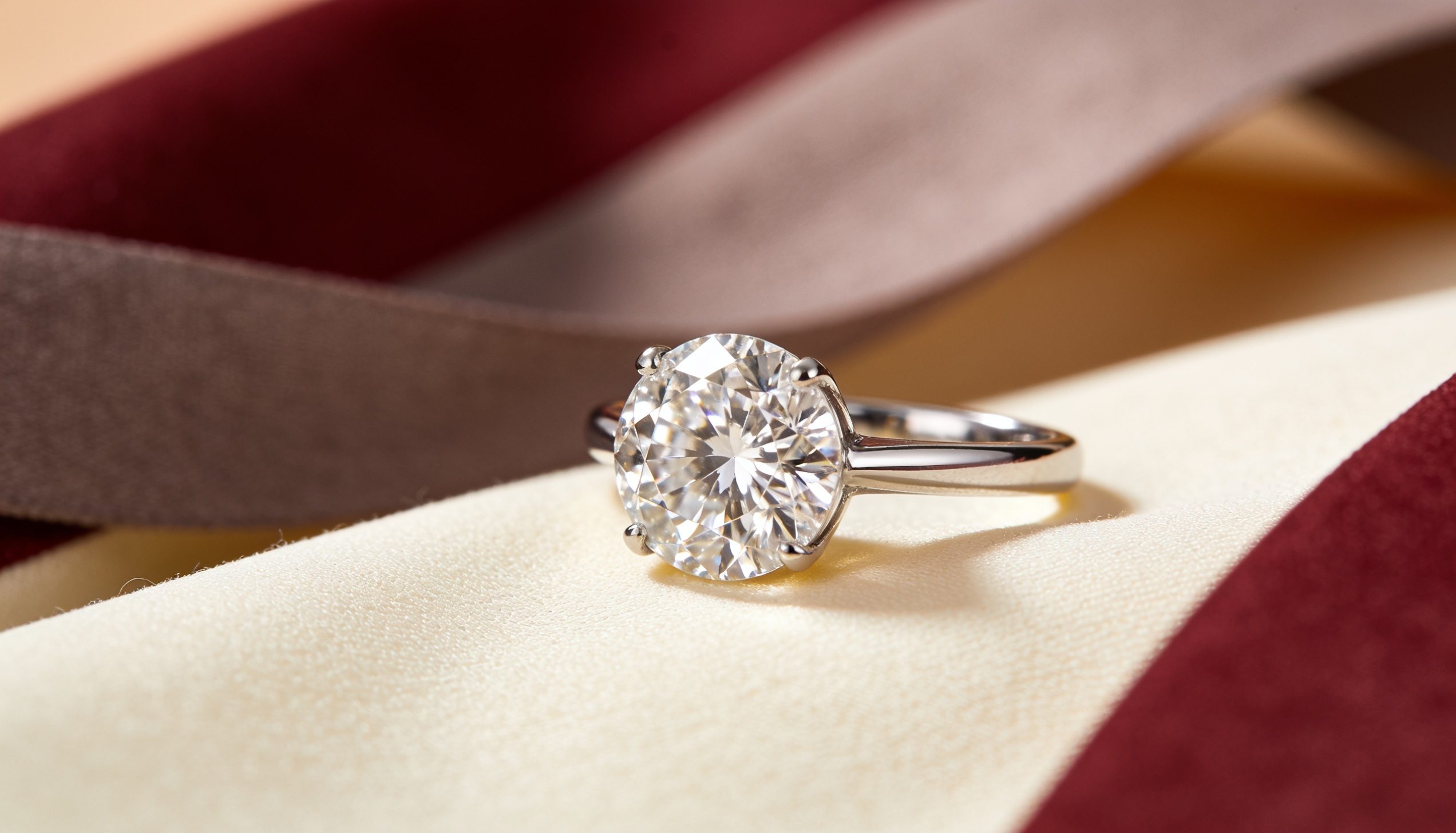
See what this history looks like on your hand
Lux Jewels was the first jeweller in Canada to offer lab grown diamond engagement rings, back in 2015. Custom designed, sourced direct, IGI certified, no markup games.
$199 | 30 minutes | Video call
Where Lux Jewels fits in: first in Canada (2015)
Lux Jewels was founded in 2007, and in 2015 became the first jeweller in Canada to offer lab grown diamond engagement rings, years before most of the industry took them seriously. Founder Suman Smith built the business on one idea: give people a better diamond for less, with no markup games and no sales pressure. Every ring is custom designed, sourced direct, and IGI certified.
Frequently asked questions
When was the first lab grown diamond created?
The first reproducible lab grown diamonds were created by General Electric in 1954 and announced in 1955, using HPHT synthesis. Those early stones were small and industrial.
Who invented lab grown diamonds?
General Electric created the first reproducible lab grown diamonds in 1954, announced in 1955, using HPHT synthesis. They were industrial. Gem-quality lab diamonds for jewelry came decades later with CVD.
Are lab grown diamonds real diamonds?
Yes. They are pure carbon in the same crystal structure as mined diamonds, with the same hardness and sparkle. The US FTC confirmed in 2018 that a lab grown diamond is a real diamond.
What is the difference between CVD and HPHT diamonds?
HPHT grows a diamond by squeezing carbon under earth-like pressure and heat. CVD grows it from carbon gas layer by layer in a chamber. Both are real diamonds; CVD is common for high-purity type IIa gems.
How long does it take to grow a lab diamond?
A gem-quality lab grown diamond takes roughly two to four weeks to grow, depending on the size and the method. Compare that to the billion years a mined diamond needs to form deep in the earth.
How long have lab grown diamonds been around?
Lab grown diamonds have existed since 1954, when General Electric made the first one, so more than 70 years. They were industrial for decades and only became gem-quality and widely available for jewelry in the 2010s.
Are lab grown diamonds more affordable than mined diamonds?
Yes. A lab grown diamond costs without the mined-diamond markup of a comparable diamond with the same cut, color, clarity, and carat. The savings come from a shorter supply chain, not lower quality.
Do lab grown diamonds last forever?
Yes. A lab grown diamond is a 10 on the Mohs hardness scale, exactly like a mined diamond, so it lasts a lifetime and beyond with normal care. It will not cloud, fade, or wear out.