Engagement rings go back over 2,000 years, from ancient Roman betrothal rings to the first recorded diamond engagement ring in 1477, to the diamond becoming the standard in the 20th century, and now the lab grown era. Here’s the story of where engagement rings came from and how we arrived at the certified lab grown diamond of 2026.
I’m Suman Smith, founder of Lux Jewels. I started this as Canada’s first lab grown diamond company back in 2015, and I find the history genuinely fascinating, it explains a lot about how we buy rings today.
Quick Answer
Engagement rings began with ancient Roman betrothal rings. The first known diamond engagement ring was given by Archduke Maximilian of Austria to Mary of Burgundy in 1477. Diamonds became the popular standard in the 20th century, and today certified lab grown diamonds are the modern, affordable choice.
Where did engagement rings come from?
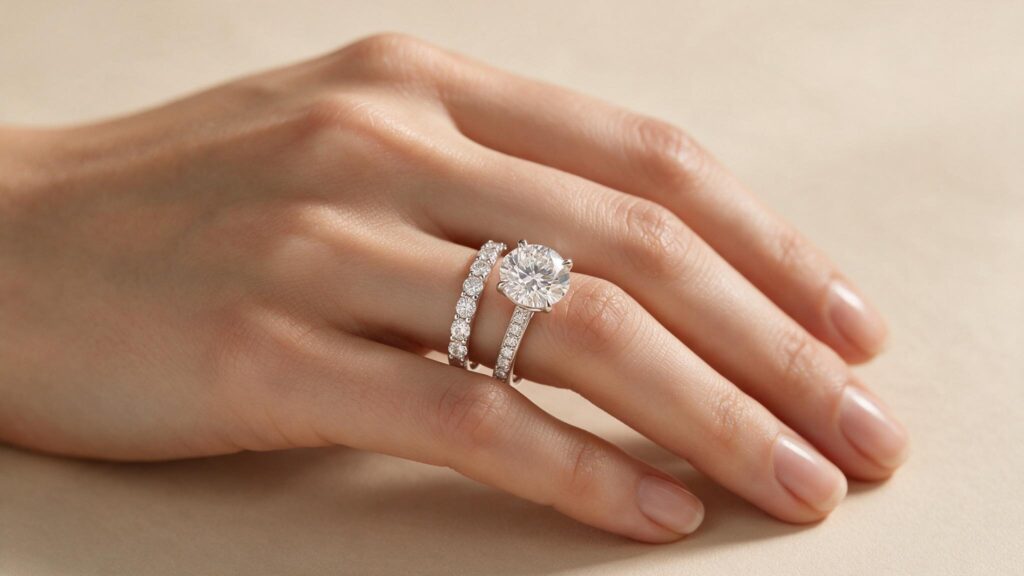
The custom traces back to ancient Rome, where a woman wore a ring to signal a betrothal, a promise of marriage. Romans even believed the ring finger held a vein running straight to the heart, the “vena amoris,” which is why we still wear the ring on the fourth finger of the left hand today. Early rings were iron or gold bands, long before any diamond was involved.
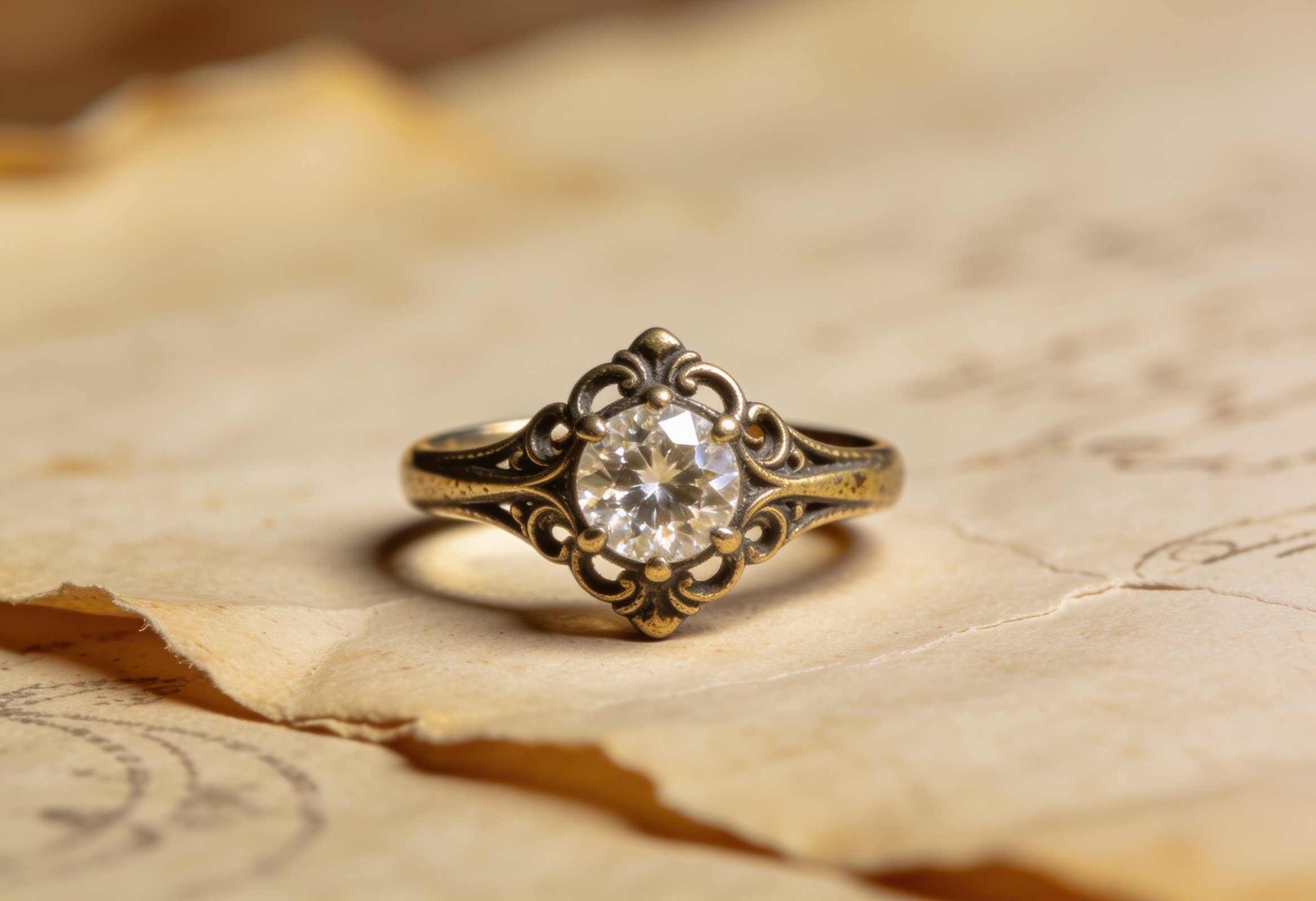
A short timeline of the engagement ring
Here are the milestones that shaped the ring we know today.
| Era | What happened |
|---|---|
| Ancient Rome | Betrothal rings of iron and gold, worn on the vena amoris finger. |
| 1477 | First recorded diamond engagement ring, Maximilian of Austria to Mary of Burgundy. |
| Victorian era | Romantic, ornate rings with diamonds, gemstones, and intricate metalwork. |
| 20th century | Diamonds become the popular standard for engagement rings. |
| Today | Certified lab grown diamonds offer the same beauty, affordably and ethically. |
When did diamonds become the standard?
The first diamond engagement ring dates to 1477, but diamonds only became the widespread expectation in the 20th century, helped by famous marketing and a growing supply. Before that, engagement rings often featured coloured gemstones or plain bands. The idea that an engagement ring “must” be a diamond is surprisingly modern, which is worth remembering when you’re deciding what’s right for you.
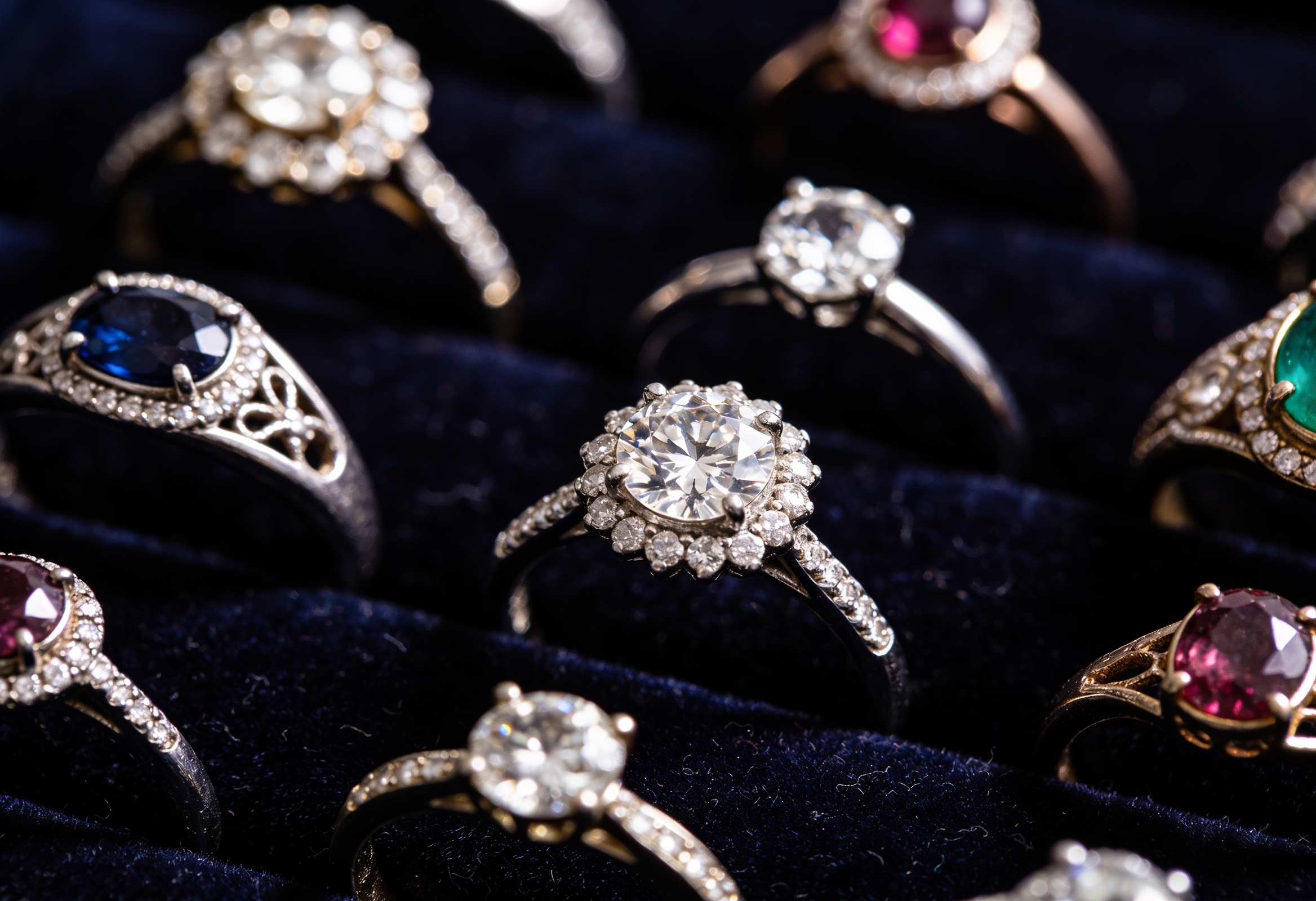
Writing the next chapter of your ring?
Book a private video call with Suman and we’ll design a certified lab grown diamond engagement ring that’s modern, beautiful, and made to your budget. No markup games, no sales pressure.
$199 | 30 minutes | Video call
The modern era: lab grown diamonds
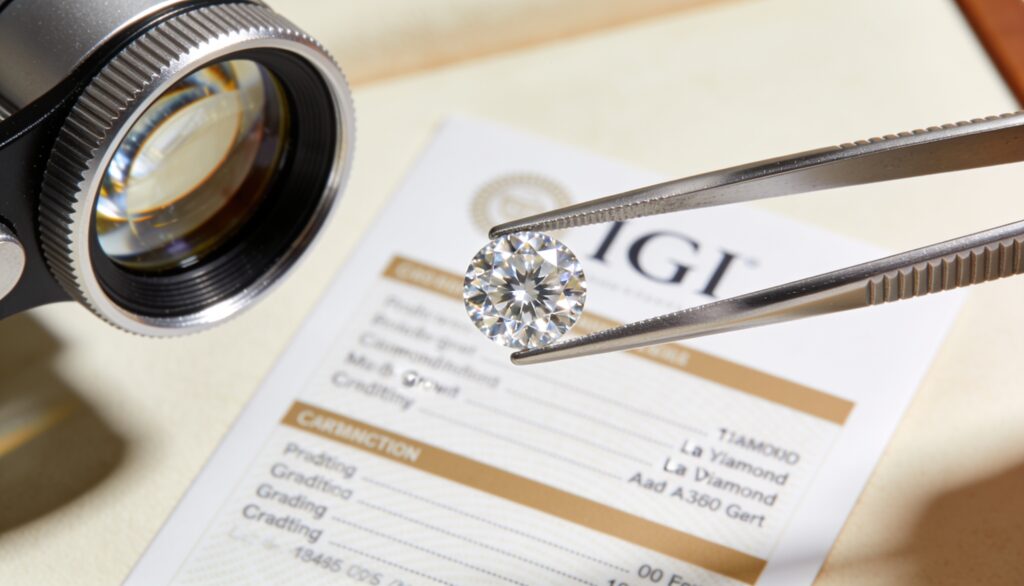
The newest chapter is the lab grown diamond, a real, certified diamond grown in a lab rather than mined. It’s chemically identical to a mined stone but costs far less and is conflict-free, so today’s couples can have the diamond ring tradition without the mined price or footprint. In a sense it’s the most modern expression of a very old custom, the same meaning, made for how we live and shop now.
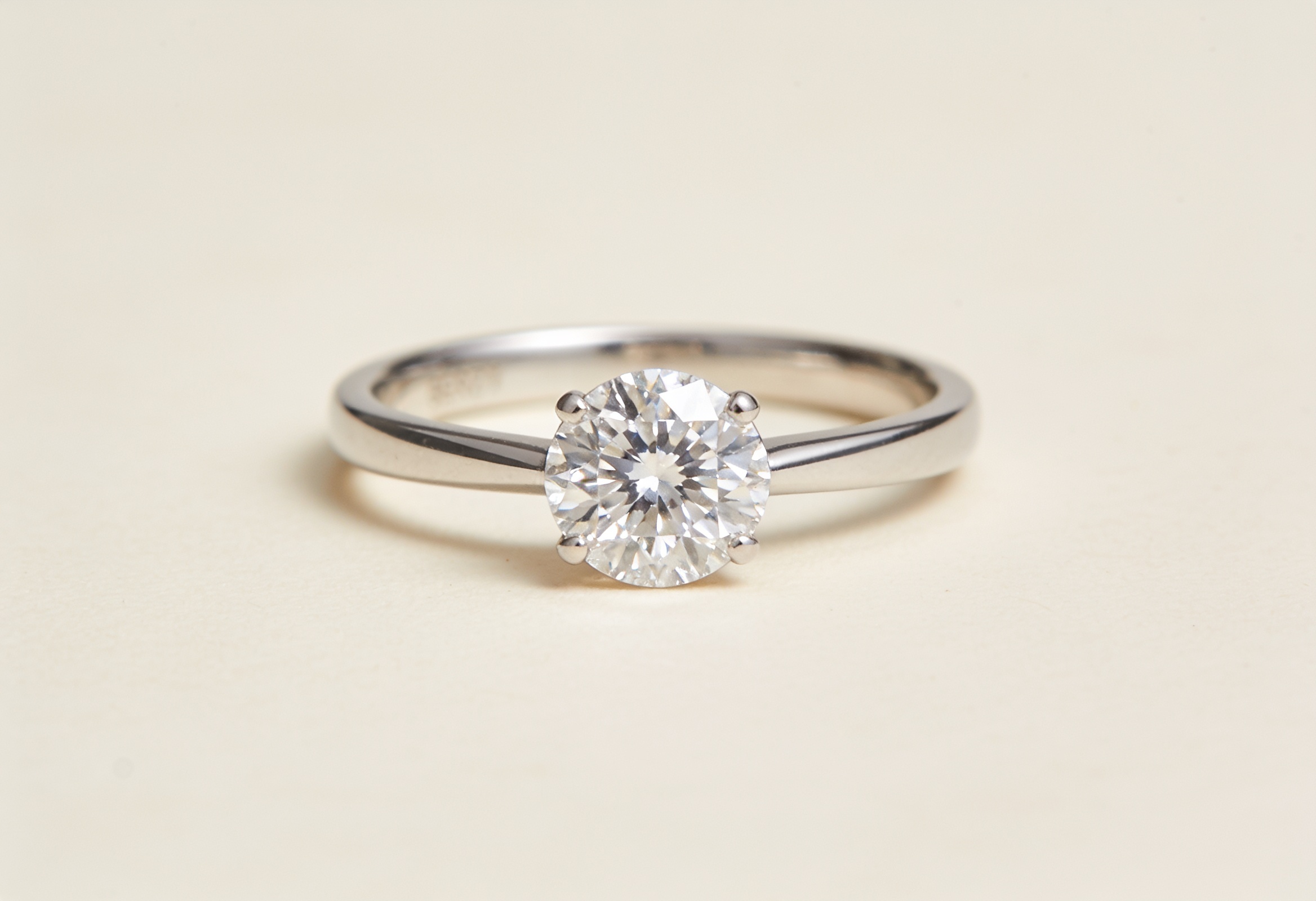
The honest takeaway
The engagement ring has travelled from Roman iron bands to the first diamond ring in 1477 to today’s certified lab grown diamond, each era keeping the same promise. Knowing the history is freeing: there’s no single “right” ring, only the one that means the most to you. If you’d like to design a modern lab grown diamond ring of your own, that’s exactly what our consultation is for.
Frequently asked questions
Where did engagement rings originate?
In ancient Rome, where betrothal rings of iron and gold signalled a promise to marry. Romans wore them on the fourth finger of the left hand, believing a vein ran from there to the heart.
What was the first diamond engagement ring?
The first recorded one was given in 1477 by Archduke Maximilian of Austria to Mary of Burgundy, setting a precedent that would grow into the diamond ring tradition.
When did diamonds become the standard?
Diamonds became the widespread standard in the 20th century, helped by marketing and supply. Before that, engagement rings often used coloured gemstones or plain bands.
Why do we wear the ring on the left ring finger?
The tradition comes from the Roman belief in the vena amoris, a vein thought to run from the fourth finger of the left hand straight to the heart.
Are lab grown diamonds part of the tradition?
Yes, they’re the modern chapter. A lab grown diamond is a real, certified diamond that carries the same meaning as mined, at a lower price and conflict-free.
Related reading: lab grown engagement rings, engagement ring shopping tips, and the history of lab grown diamonds.