Here’s the short version most clarity charts bury: for a diamond you actually wear, you don’t need flawless. You need eye-clean, a stone with no inclusions you can see without a loupe, and that usually means a grade in the VS to SI range, not the four-times-the-price FL or IF at the top of the chart. That’s as true in 2026 as ever, and with lab grown diamonds it matters even more, because the savings are yours to keep.
I’m Suman Smith, founder of Lux Jewels. I started this as Canada’s first lab grown diamond company back in 2015, and with over 20 years in the trade I’ve watched people overspend on clarity they will never see with their own eyes. So let’s read the chart properly, then I’ll show you where the smart money sits.
Quick Answer
Diamond clarity is graded on an 11-point scale from Flawless (FL) down to Included (I3). For the best value, choose an eye-clean grade in the VS1 to SI1 range: it shows no inclusions to the naked eye and looks identical to a flawless stone on the hand, for a fraction of the price.
What is the diamond clarity chart?
The diamond clarity chart is the grading scale that ranks how free a diamond is of tiny natural features called inclusions (inside the stone) and blemishes (on the surface). Both IGI and GIA use the same 11-grade scale, from Flawless down to Included. The fewer and smaller the inclusions, and the harder they are to see, the higher the grade and the higher the price.
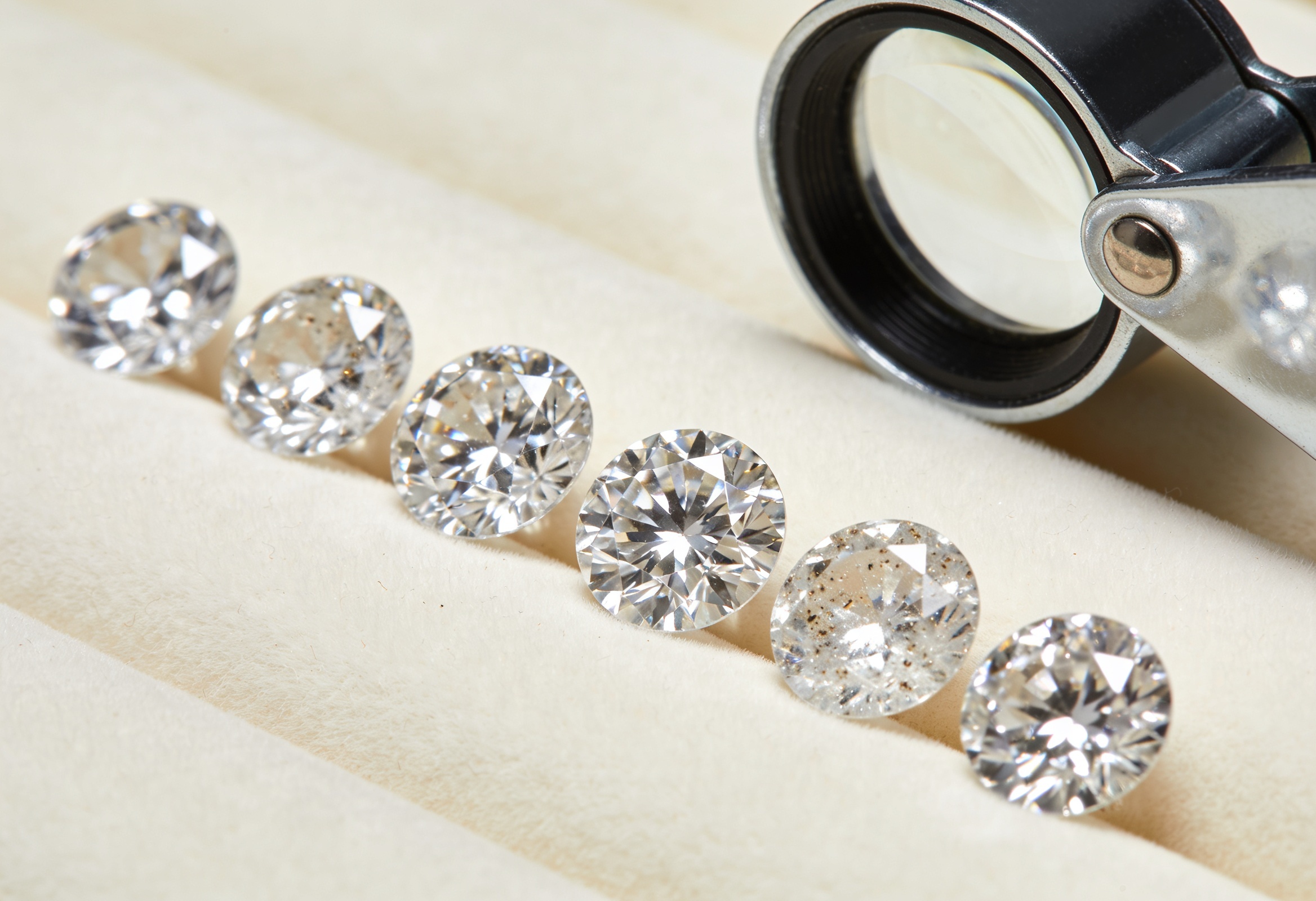
Inclusions are not flaws in the everyday sense. They’re the diamond’s fingerprint, formed as it grew. Almost every diamond has them. Clarity grading is simply a measure of how visible they are under 10x magnification.
The diamond clarity scale, grade by grade
Here is the full clarity chart, from the top of the scale to the bottom, with what each grade actually means for what you’ll see.
| Grade | Name | What it means |
|---|---|---|
| FL | Flawless | No inclusions or blemishes even under 10x. Extremely rare and priced for it. |
| IF | Internally Flawless | No inclusions inside, only tiny surface blemishes under 10x. Visually identical to FL. |
| VVS1 / VVS2 | Very Very Slightly Included | Inclusions so small a trained grader struggles to see them at 10x. Invisible to you. |
| VS1 / VS2 | Very Slightly Included | Minor inclusions, hard to see at 10x. Eye-clean. This is the value sweet spot. |
| SI1 / SI2 | Slightly Included | Noticeable at 10x. SI1 is usually eye-clean; SI2 may show a tiny something to a sharp eye. |
| I1 / I2 / I3 | Included | Visible to the naked eye and can affect sparkle or durability. Usually skip these. |
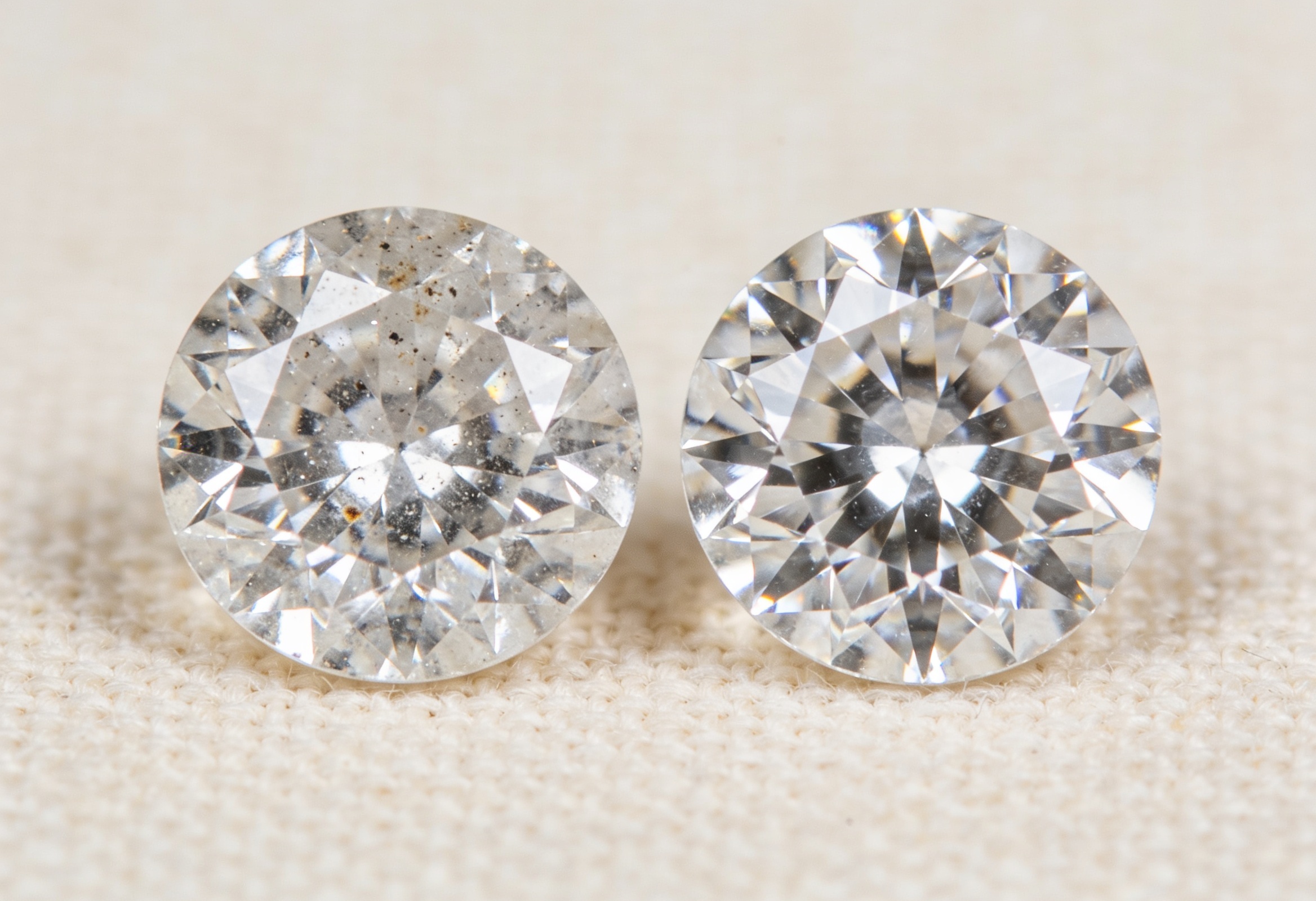
What is the best diamond clarity?
The best diamond clarity for most people is the lowest grade that still looks clean to your eye, because past that point you’re paying for something only a microscope can find. For the large majority of stones that lands at VS1, VS2, or SI1. You get a diamond that looks every bit as clean as a flawless one across the table, for a fraction of the cost.
Flawless and Internally Flawless are impressive on paper, but two stones that look identical on your hand can be separated by thousands of dollars purely on a grade you’ll never see. That gap is exactly where lab grown diamonds help: because there’s no mined-diamond markup, you can hold the clarity you want and still keep the spend sensible.
What does eye-clean mean?
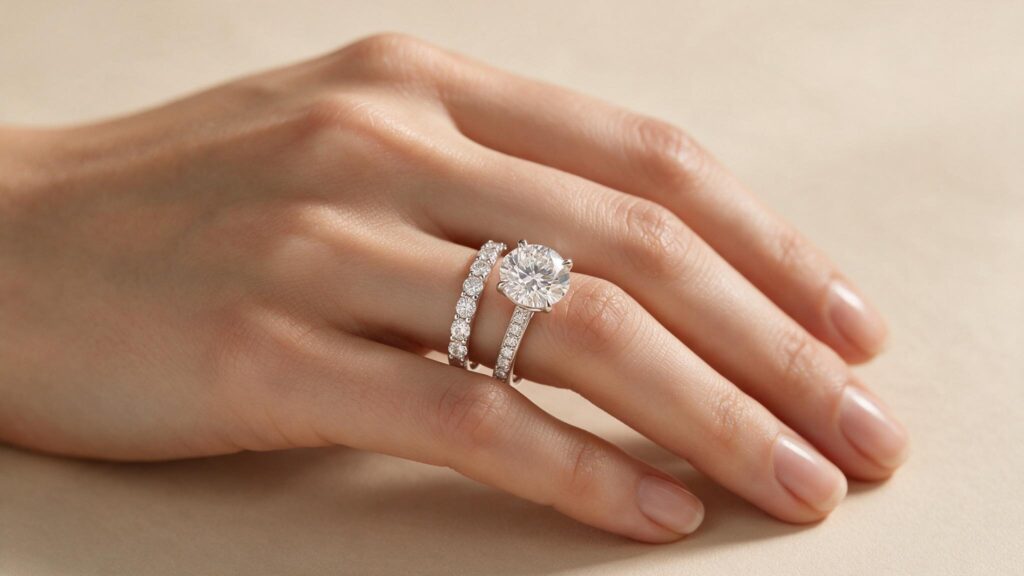
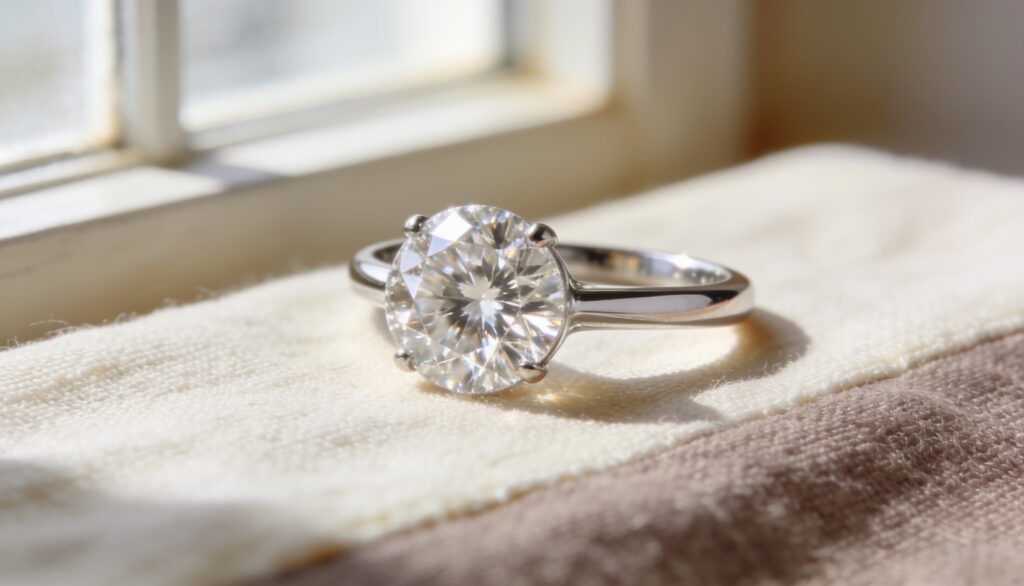
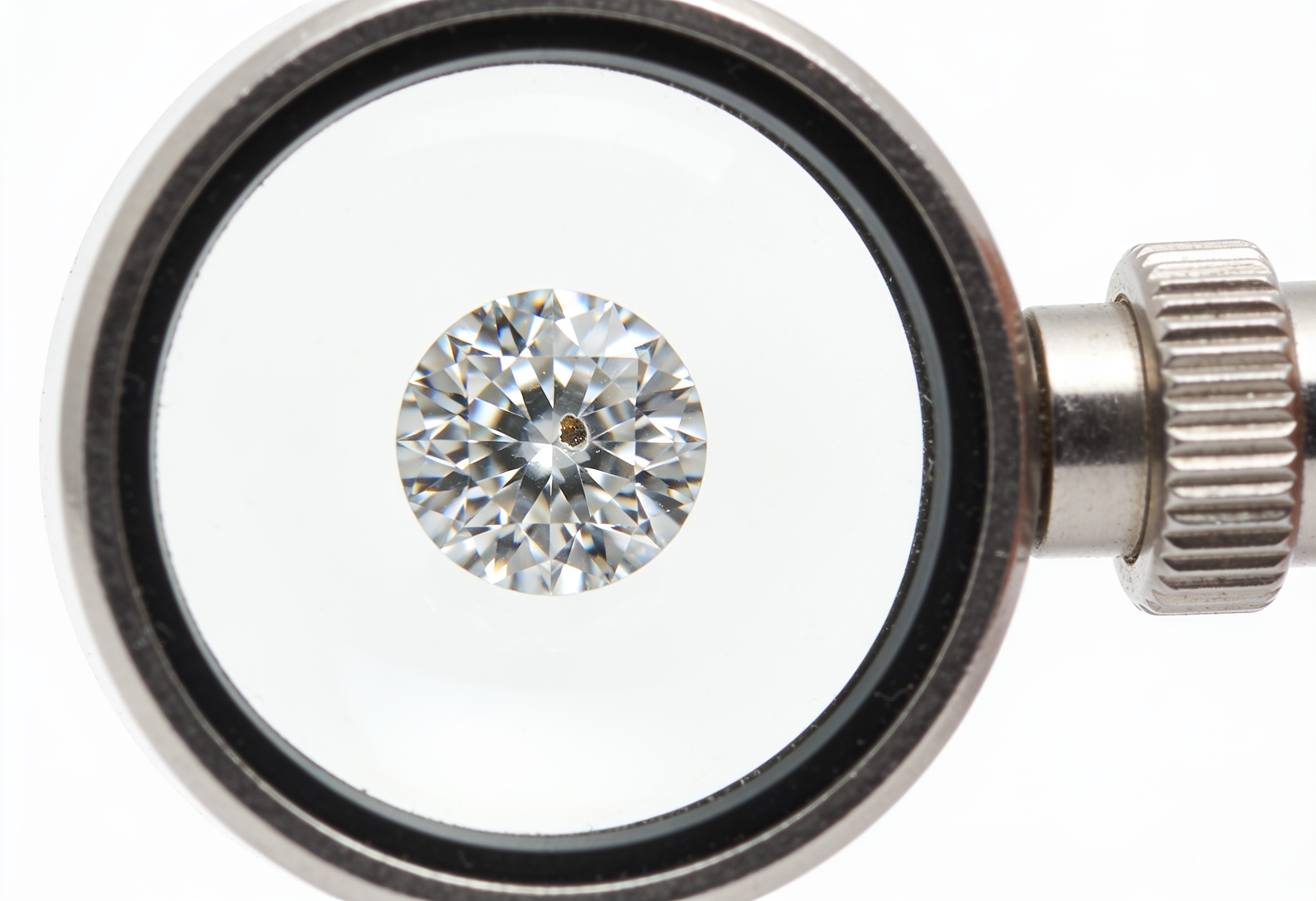
Eye-clean means a diamond has no inclusions visible to the naked eye at normal viewing distance, roughly arm’s length, even if it isn’t flawless under magnification. Eye-clean is the standard that actually matters for jewelry, because nobody views your ring through a loupe.
The catch is that “eye-clean” isn’t a printed grade, it depends on the individual stone. A VS2 is almost always eye-clean. An SI1 usually is. An SI2 sometimes is and sometimes isn’t, which is why an SI2 should always be seen (or reviewed by your jeweller) before you buy. On a free call we check exactly this for you so you never pay for clarity you can’t see, or get caught by an inclusion you can.
Does clarity affect a diamond’s sparkle?
Usually no, not at the clarity grades most people buy. Sparkle comes overwhelmingly from cut, how well the diamond is proportioned to bounce light back at you. Inclusions only start to interfere with brilliance at the low end of the scale (I1 to I3), where they’re big enough to block or scatter light. Within FL through SI, the difference in sparkle is effectively zero, so spending up for clarity to chase more sparkle is the wrong lever. Put that money into cut instead.
How does clarity work for lab grown diamonds?
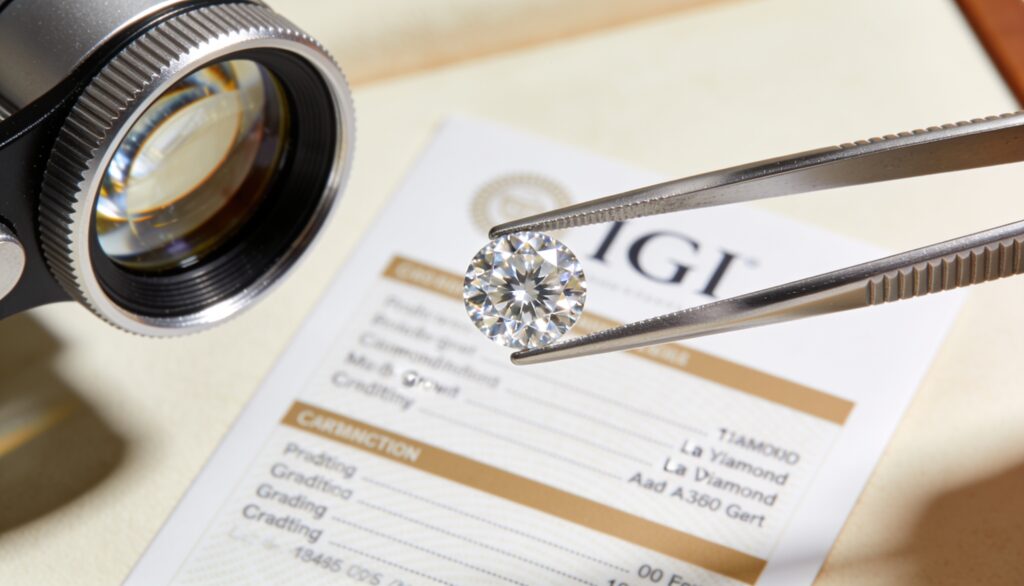
Exactly the same way. A lab grown diamond is a real diamond, so it’s graded on the identical clarity scale by the same labs, and it can have the same kinds of inclusions as a mined stone. The only difference is price: because there’s no mining and no inflated markup, you can choose a higher clarity grade for the same budget, or pocket the difference at a clarity that already looks clean. Every diamond we set at Lux Jewels comes graded by IGI or GIA, so the clarity on your certificate is independently verified, not our opinion.
Get an honest read on any diamond
Book a private video call with Suman and we’ll go through the 4Cs, the certificate, and the price on real certified lab grown diamonds, so you buy with total confidence. No markup games, no sales pressure.
$199 | 30 minutes | Video call
How much clarity should you actually pay for?
Buy the grade where the diamond is eye-clean, and stop. For most round brilliants that’s VS2 or SI1. Step-cut shapes like emerald and Asscher show inclusions more easily because of their long open facets, so for those nudge up to VS1 or VVS. Brilliant cuts (round, oval, pear, cushion) hide inclusions well, so you can sit comfortably at SI1. The goal is the same every time: spend on what you can see, not on what the chart flatters.
The honest takeaway
Read the clarity chart as a value map, not a quality ladder. The top grades are real, but they buy you bragging rights, not a better-looking ring. Aim for eye-clean in the VS to SI band, pair it with an excellent cut, and choose a certified lab grown stone so the savings go into size or quality you’ll actually notice. If you’d like a second opinion on a specific diamond’s clarity, that’s exactly what our free consultation is for.
Frequently asked questions
What are the diamond clarity grades in order?
From highest to lowest: Flawless (FL), Internally Flawless (IF), VVS1, VVS2, VS1, VS2, SI1, SI2, I1, I2, I3. Both IGI and GIA use this same 11-grade scale.
What is the best diamond clarity for the money?
VS1, VS2, or SI1. These grades are typically eye-clean, meaning no inclusions are visible without magnification, so they look identical to flawless on the hand for a fraction of the price.
What does eye-clean clarity mean?
It means no inclusions are visible to the naked eye at normal viewing distance, even if the stone isn’t flawless under a loupe. It’s the clarity standard that actually matters for a ring you wear.
Is VS or SI clarity better?
VS is the higher grade, with smaller, harder-to-see inclusions. SI is a step down but SI1 is usually still eye-clean. For most brilliant-cut diamonds, SI1 gives the best value; for step cuts, lean toward VS.
Does clarity affect how much a diamond sparkles?
Not within the grades most people buy. Sparkle comes mainly from cut. Clarity only affects brilliance at the low end (I1 to I3), where inclusions are large enough to block light.
Do lab grown diamonds have clarity grades?
Yes. Lab grown diamonds are real diamonds graded on the same clarity scale by IGI or GIA. You can choose a higher clarity grade for the same budget because there’s no mined-diamond markup.
Related reading: our certified lab grown diamonds, diamond colour scale, diamond cut grades, the 4Cs of diamonds, and lab grown vs natural diamonds.