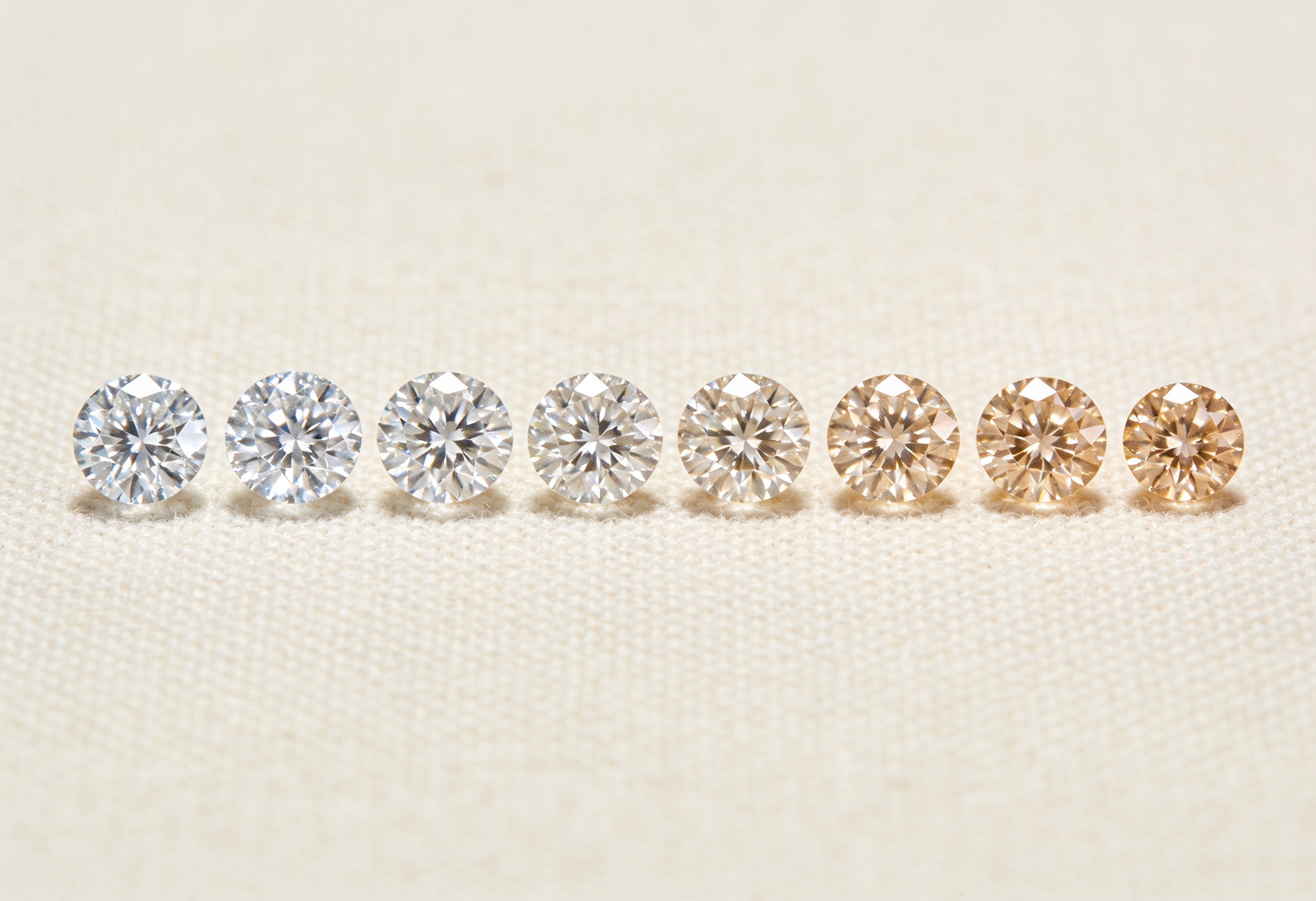
Diamond colour is graded D to Z, where D is completely colourless and Z has an obvious yellow or brown tint. But the grade you actually want for the best value in 2026 is usually not D. It’s G or H, where the diamond still looks white to the eye but costs noticeably less than the top of the scale.
I’m Suman Smith, founder of Lux Jewels. I started this as Canada’s first lab grown diamond company back in 2015, and colour is the C where people most often overpay for a difference they cannot see. Let’s read the scale properly so you know exactly where to spend.
Quick Answer
Diamond colour is graded D (colourless) to Z (tinted) by GIA and IGI. For the best value, choose a near-colourless G or H grade: it looks white to the naked eye, especially once set, but costs far less than a colourless D, E, or F.
What is the diamond colour scale?
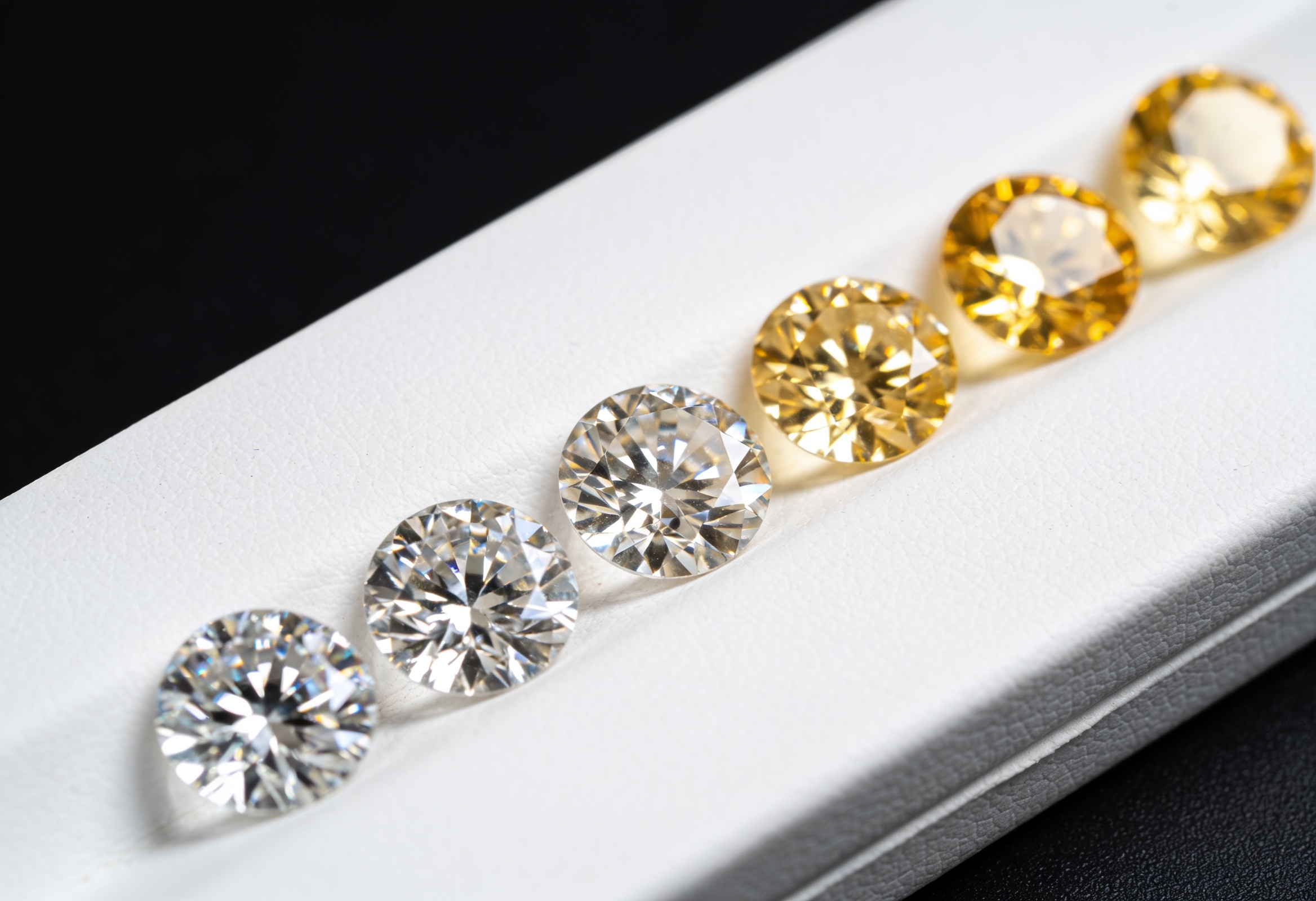
The diamond colour scale grades how colourless a white diamond is, from D (the whitest) down to Z (light yellow or brown). It’s a GIA scale and IGI uses it too. Counterintuitively, less colour means a higher grade and a higher price, because a truly colourless diamond’s rarer. The scale starts at D rather than A to avoid confusion with older grading systems.
Most of the difference between neighbouring grades isn’t visible without comparing stones side by side under controlled lighting. That gap between what’s gradeable and what’s visible is where the smart buying happens.
The diamond colour scale, grade by grade
| Range | Grades | What you’ll see |
|---|---|---|
| Colourless | D, E, F | No visible colour at all. The rarest and most expensive. D and F look identical to the eye. |
| Near colourless | G, H, I, J | Look white face-up, especially once set. The value sweet spot, G and H most of all. |
| Faint | K, L, M | A slight warmth you can start to notice, which some people like in yellow gold. |
| Very light to light | N to Z | Visible yellow or brown tint. Rarely used for fine jewelry. |
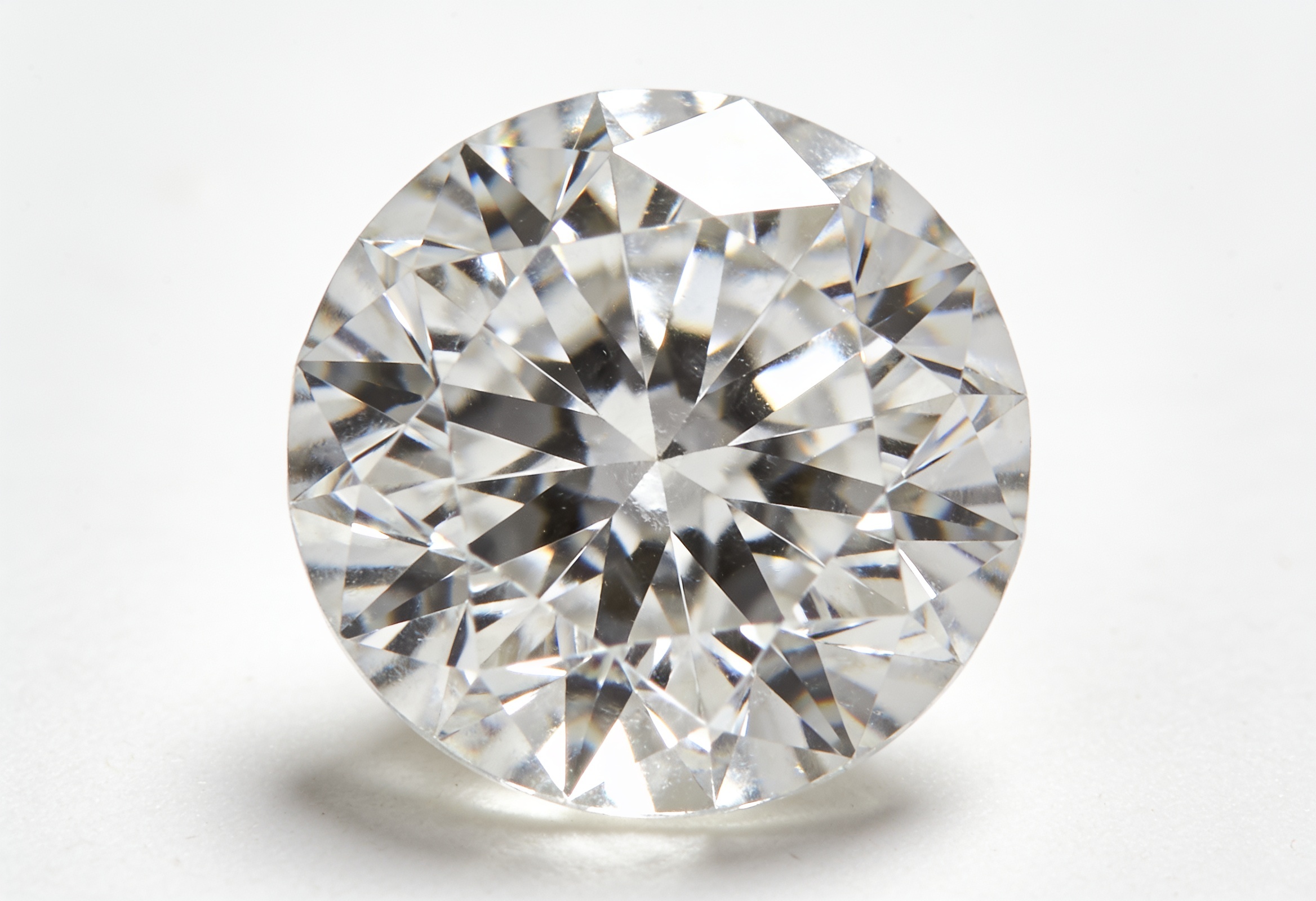
Which diamond colour is the best value?
For most people, G or H. These near-colourless grades look white to the naked eye, particularly once the diamond’s in a setting, yet they cost meaningfully less than D, E, or F. Going from a D to a G can save a large slice of the budget when there’s no visible difference face-up, and that money’s far better spent on cut or carat.
This is exactly where lab grown diamonds shine. Because there’s no mined-diamond markup, you’re free to choose a higher colour grade and still keep the spend sensible, or take the savings into a bigger stone. Either way you’re not paying a rarity premium for colour you can’t see.
Does the metal change which colour grade you need?
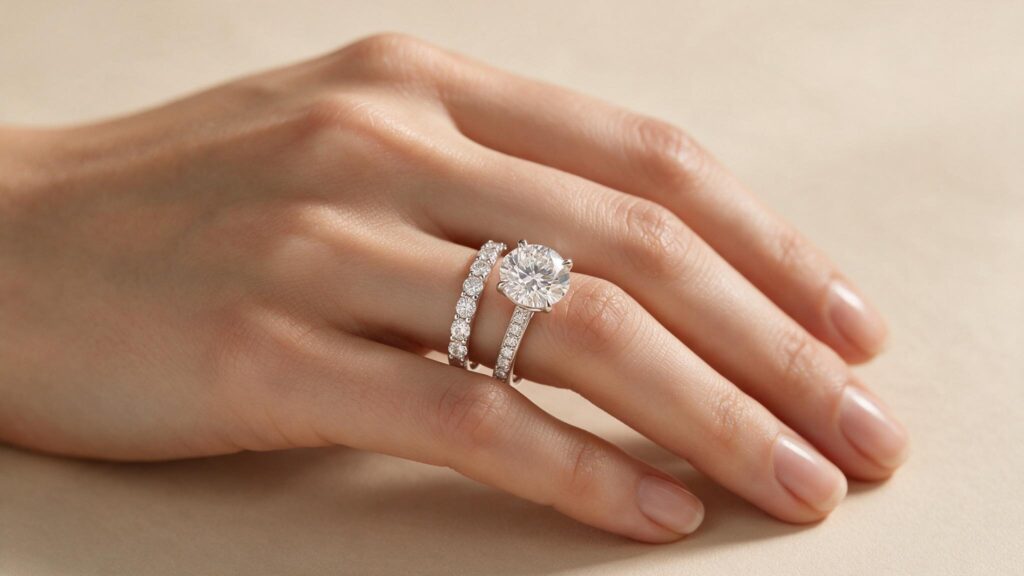
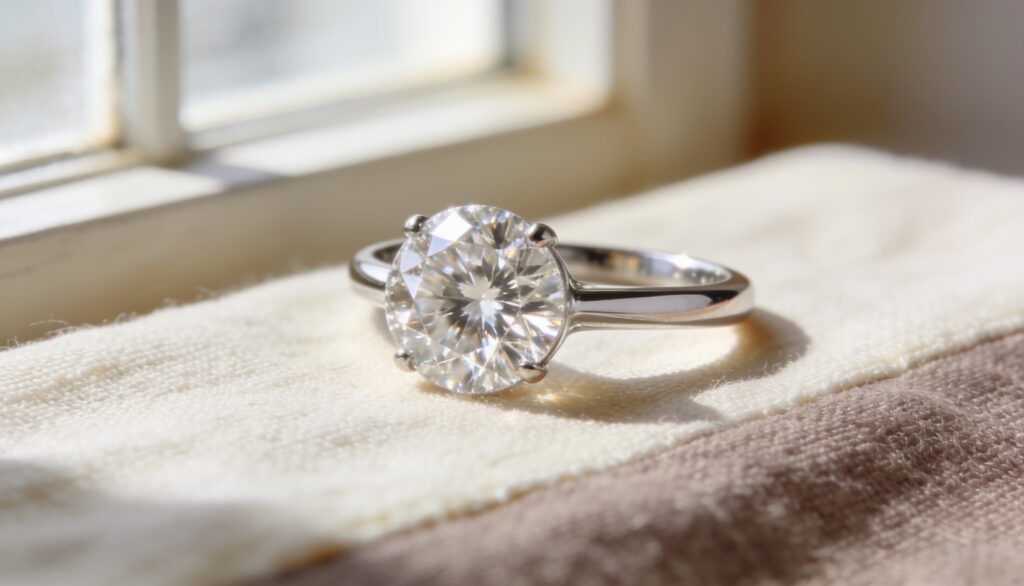
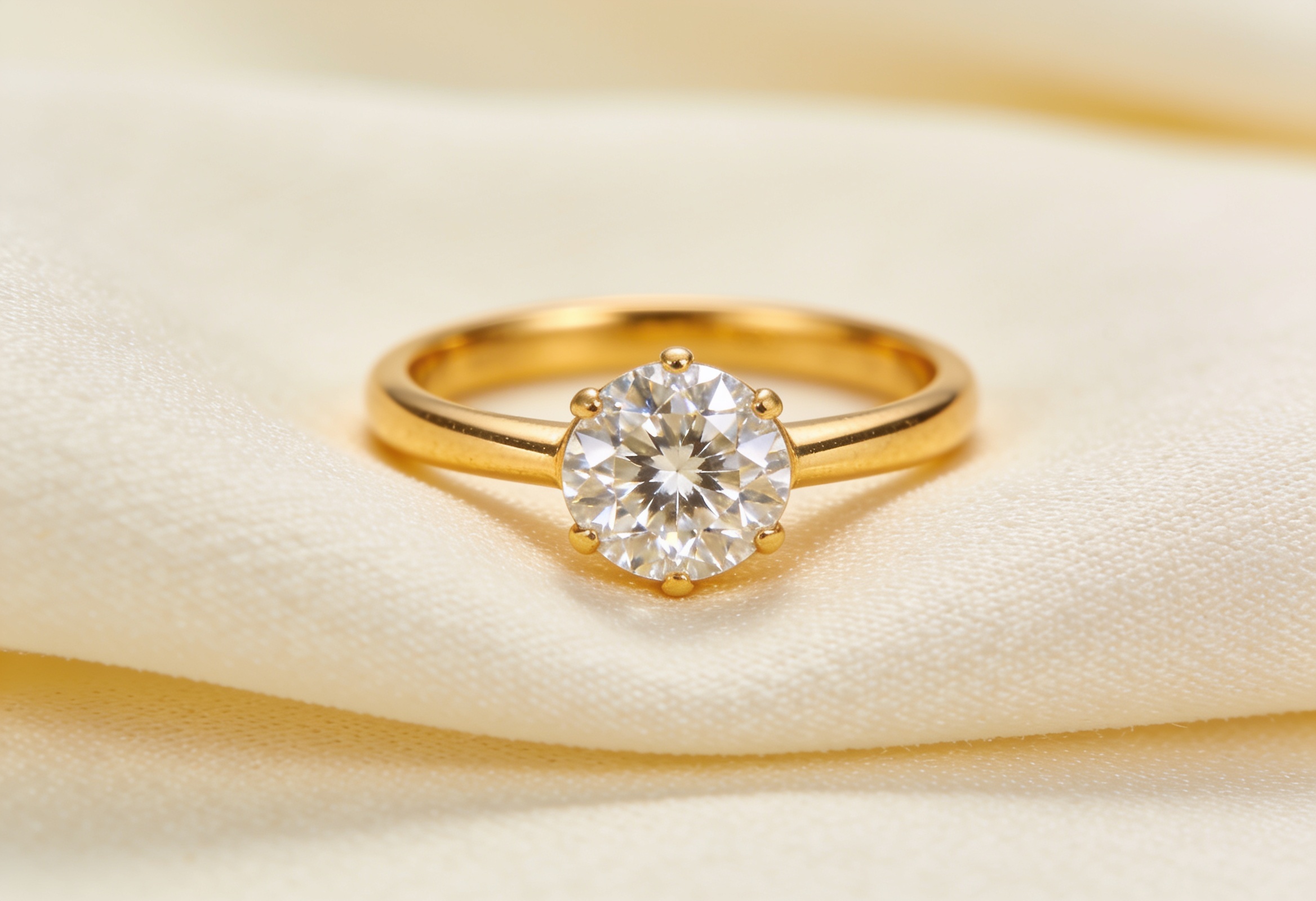
Yes, and it’s one of the most useful tricks for saving money. White metals like white gold and platinum reflect their colour into the stone, so a whiter diamond (G or above) looks best in them. Yellow and rose gold are warm, which masks a little body colour, so you can comfortably drop to I, J, or even K in those settings and still have it look bright. Matching colour grade to metal is the easiest way to buy smart, and it’s a trick a lot of buyers miss.
Is colour or clarity more important?
For most buyers, colour is slightly more noticeable than clarity, because a tint shows across the whole stone while an inclusion is a single point. But neither should be chased to the top of the scale. The order that protects your money is cut first (it drives sparkle), then colour to near-colourless, then clarity to eye-clean. Get those three right and it’ll look beautiful without paying for grades only a lab can tell apart.
Match colour to your metal and save
Book a private video call with Suman and we’ll pick the colour grade that looks white in your chosen metal, on real certified lab grown diamonds, so you never overpay for colour you can’t see.
$199 | 30 minutes | Video call
Does colour grading work the same for lab grown diamonds?
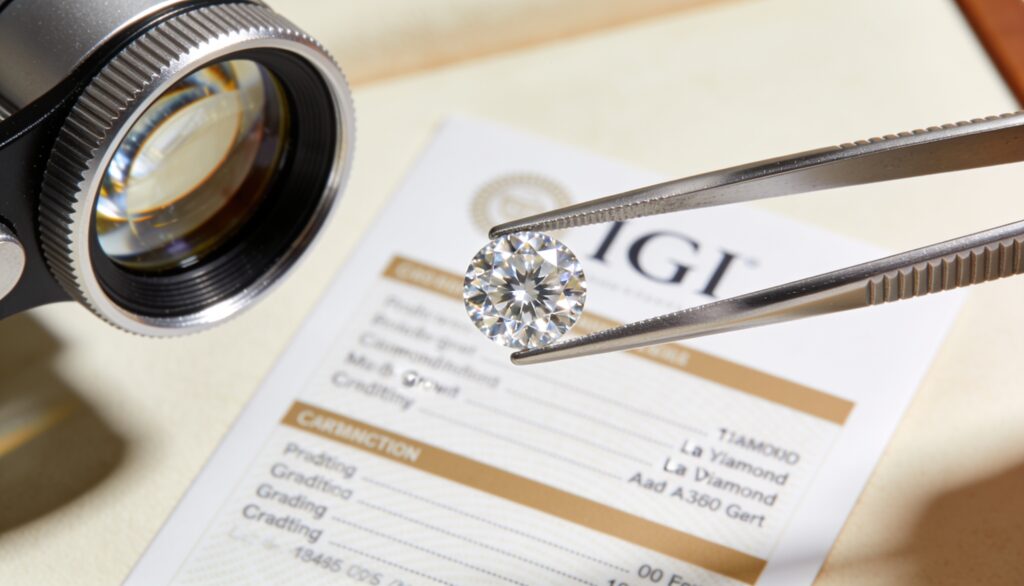
Identically. A lab grown diamond is a real diamond, graded on the same D-to-Z scale by IGI or GIA, and it spans the same range of colours. The advantage is purely price: a near-colourless or colourless lab grown diamond costs far less than its mined twin, so you’re free to sit at a higher colour grade comfortably. Every diamond we set at Lux Jewels is certified, so the colour on the report is independently verified.
The honest takeaway
Don’t buy the top of the colour scale on principle. Buy the grade that looks white in the metal you’ve chosen, which for white gold and platinum means G or H, and for yellow or rose gold means you can go warmer still. Put the savings into cut, choose a certified lab grown stone, and you’ll have a diamond that looks every bit as white as a D for a fraction of the cost.
Frequently asked questions
What is the diamond colour scale from D to Z?
D, E, F are colourless; G, H, I, J are near colourless; K, L, M are faint; N to Z show visible colour. D is the whitest and most expensive, Z the most tinted.
Which diamond colour is best value?
G or H. They look white to the naked eye, especially once set, but cost noticeably less than the colourless D, E, F grades.
Is a G or H colour diamond noticeably yellow?
No. G and H are near colourless and look white face-up to the naked eye. A faint tint only becomes noticeable around K and below, and even then it can suit warm metals.
What colour diamond should I choose for yellow gold?
You can go warmer, around I to K, because yellow gold masks a little body colour. That makes a lower colour grade look bright while saving money.
Is colour or clarity more important in a diamond?
Colour is usually slightly more noticeable than clarity, but neither should be maxed out. Prioritise cut first, then near-colourless colour, then eye-clean clarity.
Do lab grown diamonds use the same colour scale?
Yes. Lab grown diamonds are graded D to Z by IGI or GIA just like mined diamonds, so you can choose a higher colour grade affordably because there’s no mined-diamond markup.
Related reading: our certified lab grown diamonds, diamond clarity chart, diamond cut grades, the 4Cs of diamonds, and lab grown vs natural diamonds.