The 4Cs are cut, colour, clarity, and carat, the four qualities that together decide how a diamond looks and what it costs. If you remember one thing in 2026, make it this: cut matters most for beauty, and you can save real money on colour and clarity by not chasing the top of each scale.
I’m Suman Smith, founder of Lux Jewels. I started this as Canada’s first lab grown diamond company back in 2015, and the 4Cs are where every smart diamond purchase begins. Here’s what each C means, which ones to spend on, and how to read a grading report.
Quick Answer
The 4Cs of a diamond are cut, colour, clarity, and carat. Cut is how it’s faceted for sparkle, colour is how white it is, clarity is how free of inclusions, and carat is its weight. Cut matters most; for value, aim Excellent cut, G to H colour, VS to SI clarity, and a carat that fits your budget.
What are the 4Cs of a diamond?
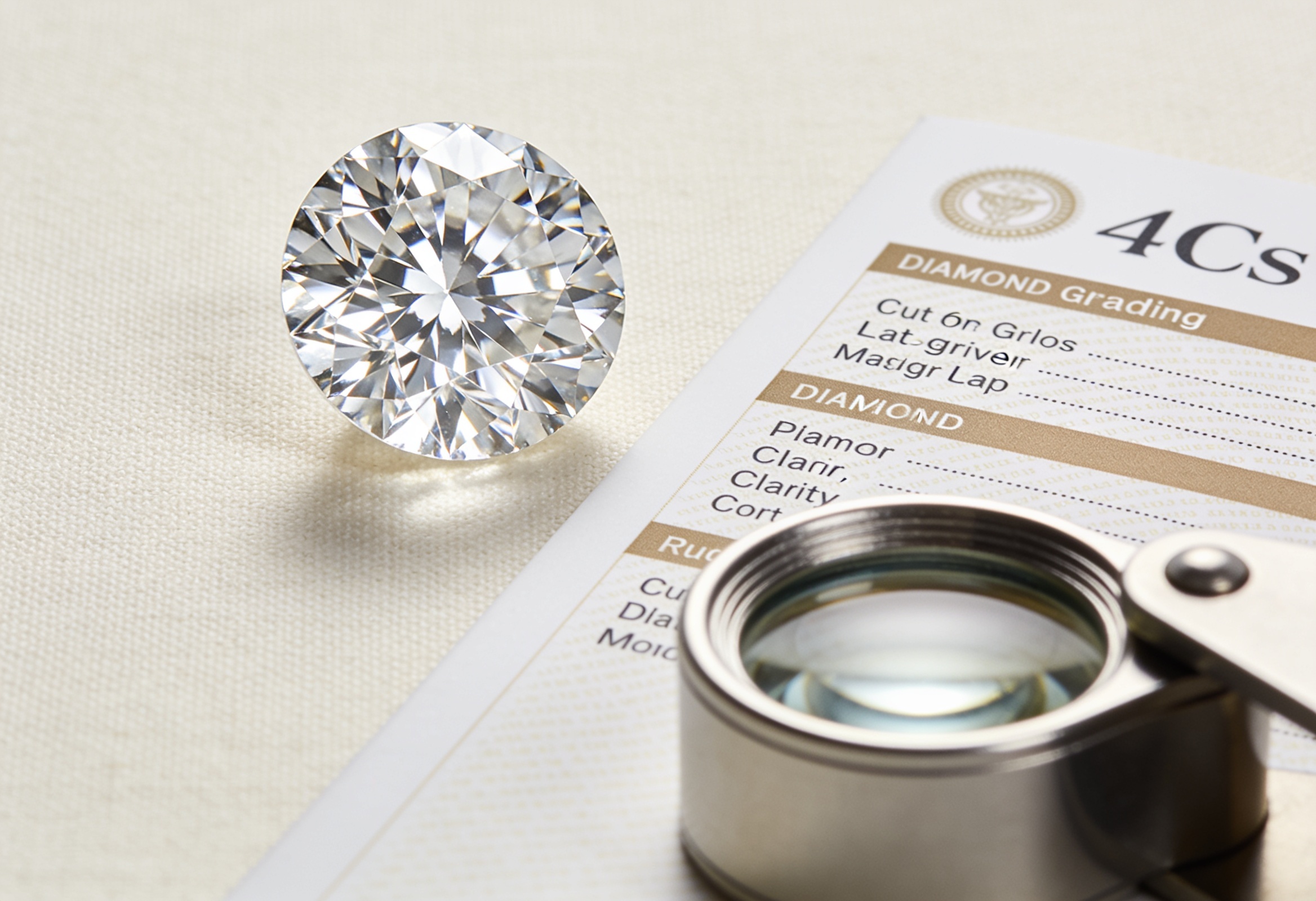
The 4Cs are the universal grading standard created by GIA and used by IGI too. Each C measures one quality, and a diamond’s report lists all four so any two stones can be compared fairly. Here’s the overview, then where each one deserves your budget.
| C | What it measures | Where to land |
|---|---|---|
| Cut | How well it’s faceted to return light (sparkle) | Excellent or Very Good. Don’t compromise. |
| Colour | How colourless it is, D to Z | G or H (near colourless). |
| Clarity | How free of inclusions, FL to I3 | VS1 to SI1 (eye-clean). |
| Carat | Its weight (and roughly its size) | Whatever fits your budget and hand. |
Cut: the most important C
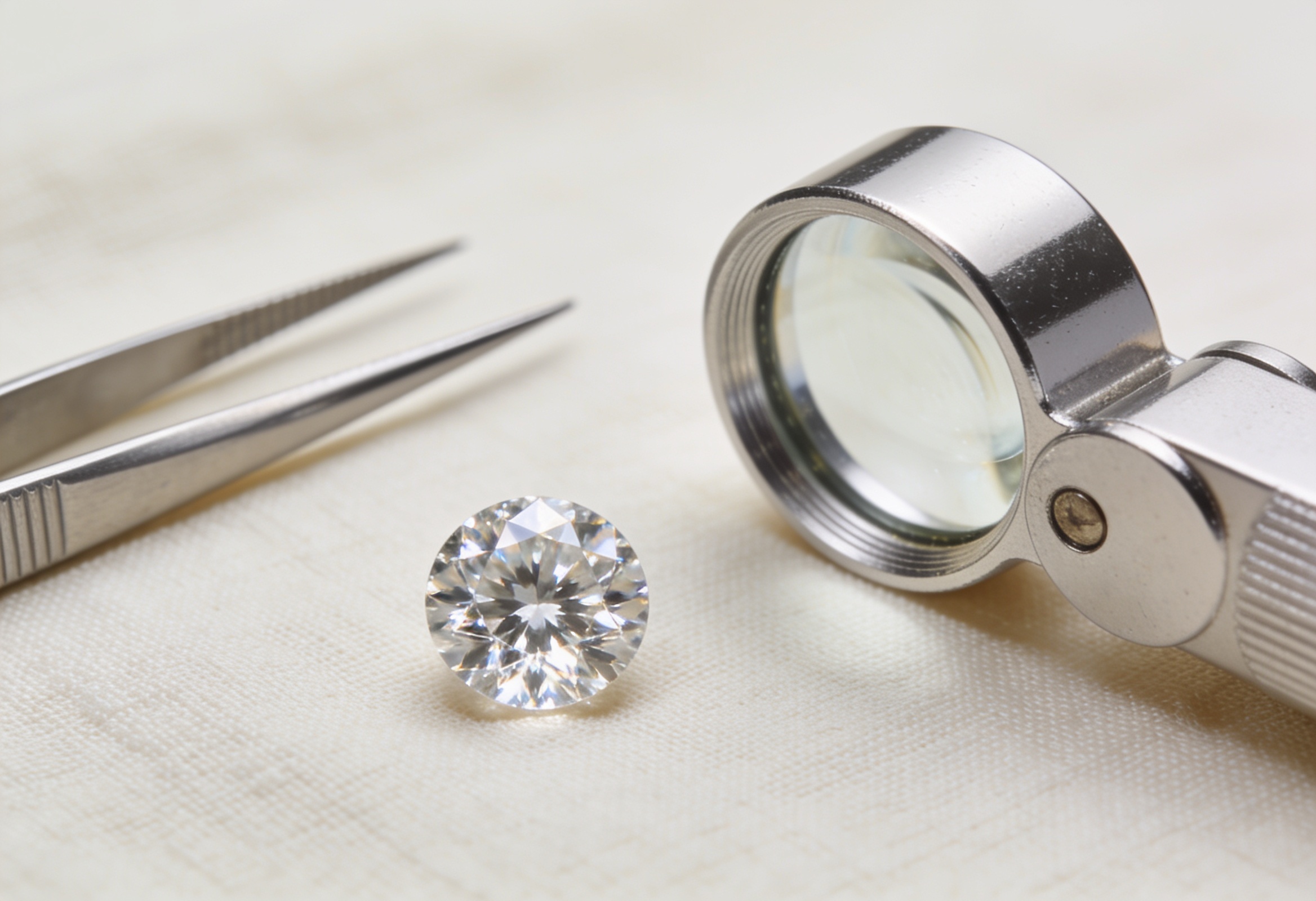
Cut is how precisely a diamond is faceted, and it’s what makes it sparkle. A poorly cut stone looks dull no matter how good its other grades are, while an excellent cut makes a diamond come alive. This is the one C to prioritise, aim for Excellent or Very Good. Read the full diamond cut grades guide.
Colour: where you save the most
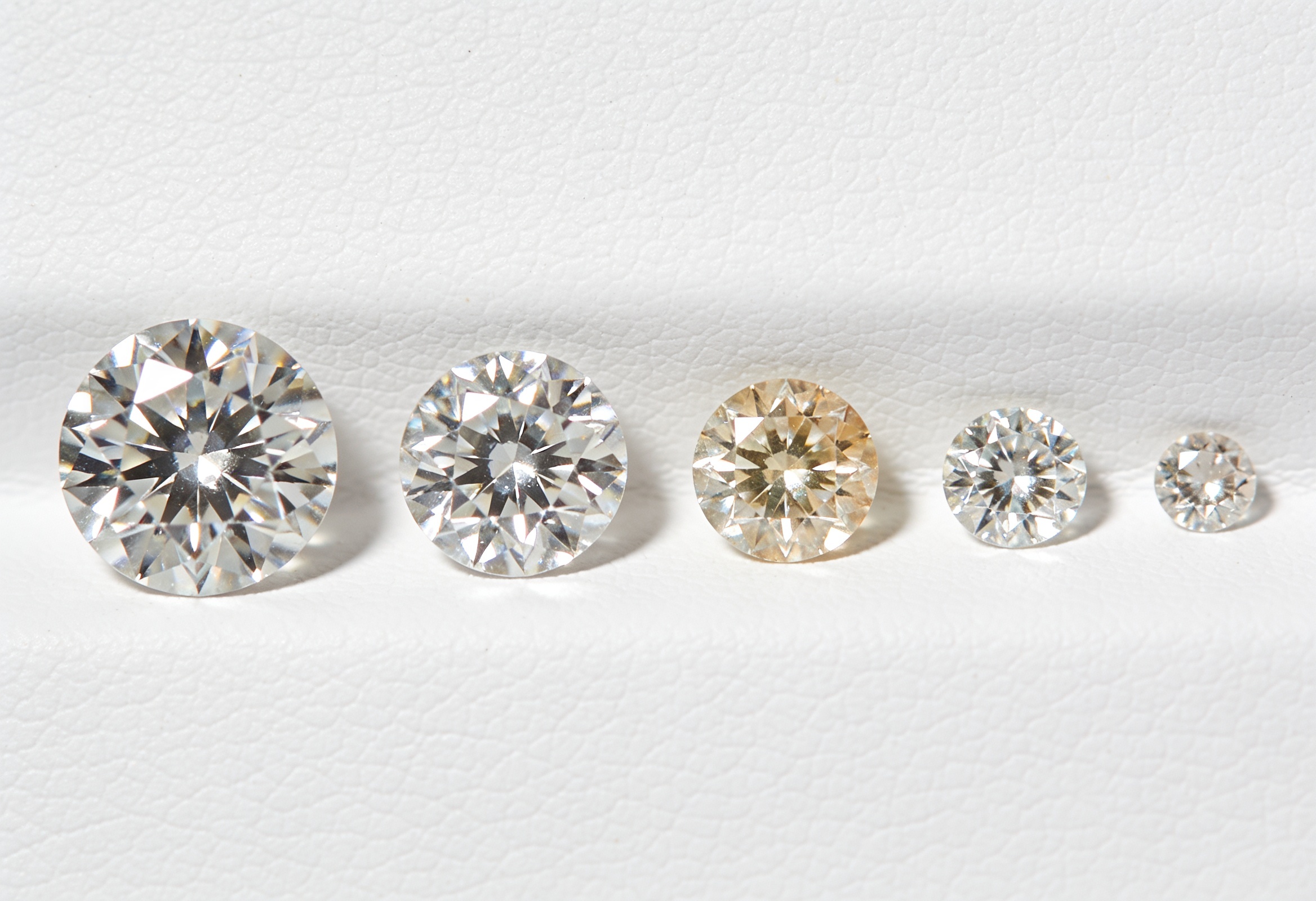
Colour grades how white a diamond is, from D (colourless) to Z (tinted). The trick is that near-colourless grades like G and H look white to the eye but cost far less than D, E, or F. Match the grade to your metal and you’ll save without seeing a difference. See the full diamond colour scale.
Clarity: aim for eye-clean
Clarity measures tiny inclusions, from Flawless down to Included. You don’t need flawless, you need eye-clean, a stone with no inclusions visible to the naked eye, which usually means VS1 to SI1. Past that you’re just paying for what only a loupe can see, and that’s money you won’t get back. Read the full diamond clarity chart.
Carat: weight, not size
Carat is a measure of weight, not width, so cut and shape change how big a given carat looks. Buying just under a round carat mark, and choosing an elongated shape or excellent cut, gives more visible size for the money. See the full diamond carat size guide.
Balance the 4Cs for your budget
Book a private video call with Suman and we’ll balance cut, colour, clarity, and carat on real certified lab grown diamonds, so every dollar goes where you’ll actually see it. No markup games, no sales pressure.
$199 | 30 minutes | Video call
Which of the 4Cs matters most?
Cut, by a clear margin, because it drives the sparkle you actually notice. After cut, the order that’ll protect your money is colour to near-colourless, then clarity to eye-clean, then carat with whatever budget remains. Spend on cut, be sensible on colour and clarity, and let carat flex. That single rule prevents most diamond overspending.
How do you read a diamond grading report?
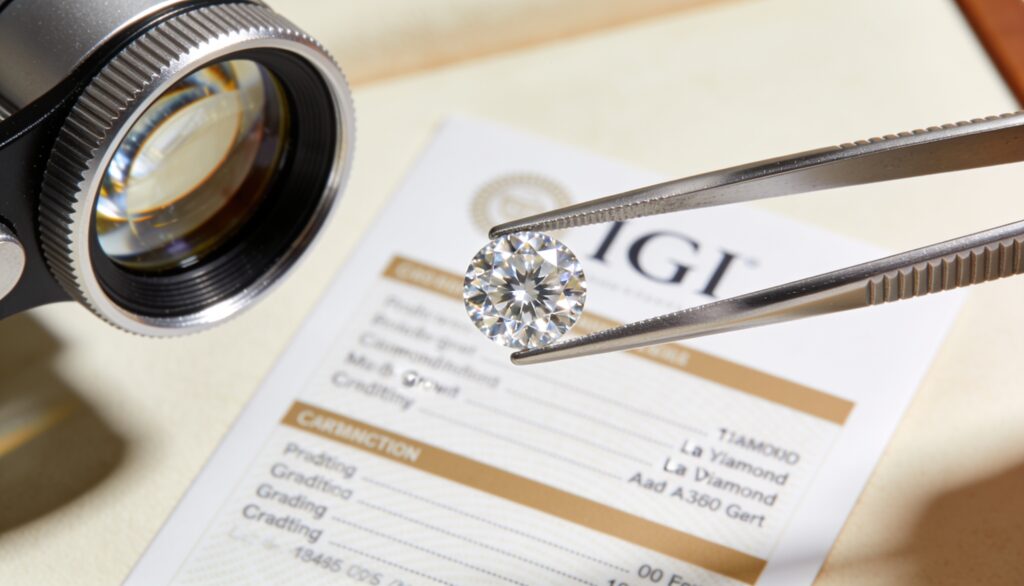
A grading report from IGI or GIA lists all 4Cs plus the diamond’s shape, measurements, and whether it’s lab grown or mined. Look for the cut grade first (on rounds), then colour and clarity letters, then carat weight. The report is your independent proof of quality, so never buy a diamond without one. We give you the IGI or GIA report with every stone we set.
Do the 4Cs apply to lab grown diamonds?
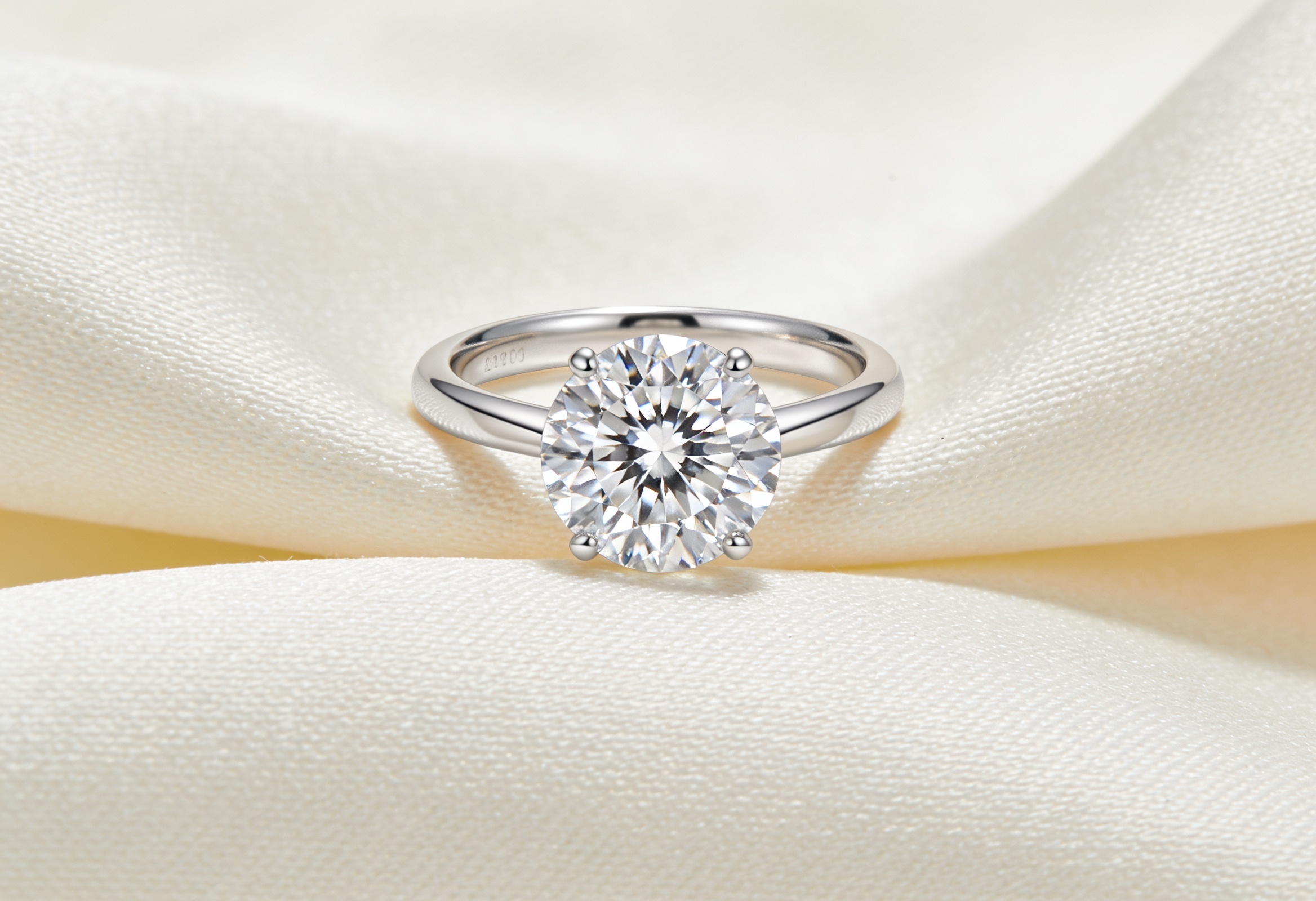
Yes, identically. A lab grown diamond is a real diamond graded on the same 4Cs by the same labs. The difference is purely price: with no mined-diamond markup, you can hold an excellent cut and good colour and clarity, and still afford more carat. That’s why the 4Cs strategy is even more rewarding with lab grown, your budget simply reaches further.
The honest takeaway
The 4Cs, cut, colour, clarity, carat, are the language of buying a diamond well. Lead with cut, sit at near-colourless and eye-clean, let carat use the rest of the budget, and always insist on a certificate. Choose a certified lab grown stone and the same strategy buys you noticeably more diamond. If you’d like us to walk you through real reports, that’s exactly what our consultation is for.
Frequently asked questions
What are the 4Cs of a diamond?
Cut, colour, clarity, and carat. Cut is how it’s faceted for sparkle, colour is how white it is, clarity is how free of inclusions, and carat is its weight. Together they set a diamond’s look and price.
Which of the 4Cs is most important?
Cut. It controls sparkle and apparent size, so a poorly cut diamond looks dull even with high colour and clarity. Prioritise cut, then colour, then clarity, then carat.
What 4Cs give the best value?
Excellent or Very Good cut, G or H colour, VS1 to SI1 clarity, and a carat that fits your budget. This combination looks beautiful while avoiding the premium for grades you cannot see.
How do you read a diamond grading report?
Check the cut grade first (on rounds), then the colour and clarity letters, then carat weight, plus shape and whether it’s lab grown or mined. The report is independent proof of quality.
Do the 4Cs apply to lab grown diamonds?
Yes. Lab grown diamonds are graded on the same 4Cs by IGI or GIA. Because they cost less, you can afford a better combination of the 4Cs for the same budget.
Which C should I spend the most on?
Cut. It has the biggest effect on how beautiful the diamond looks. Save on colour and clarity by choosing near-colourless and eye-clean grades, and put those savings into cut and carat.
Related reading: lab grown engagement rings in Canada, diamond cut grades, diamond colour scale, diamond clarity chart, and diamond carat size guide.