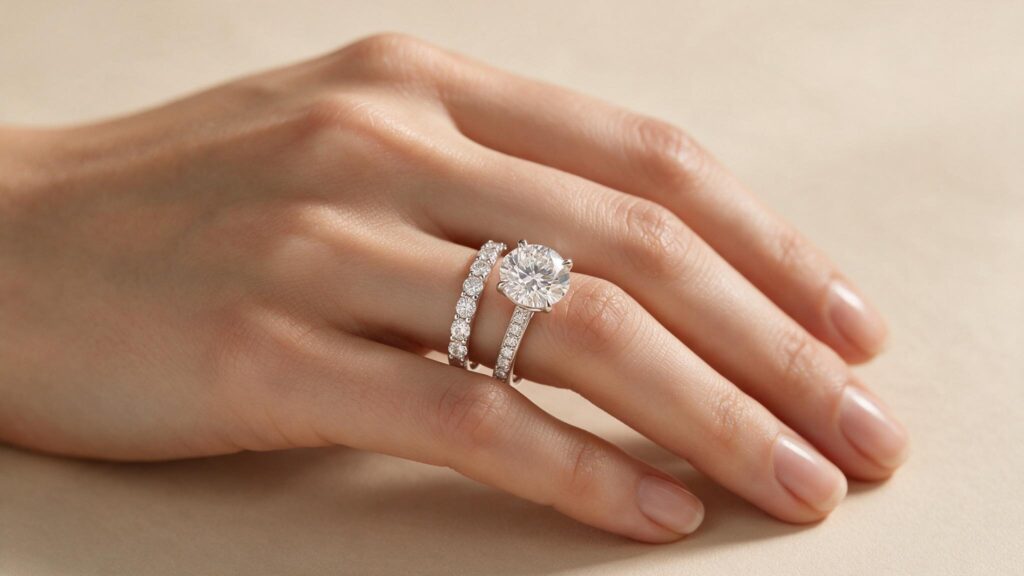
A blood diamond, also called a conflict diamond, is a diamond mined in a war zone and sold to finance armed conflict against governments. The trade funded brutal civil wars in Africa in the 1990s and 2000s, and while controls have reduced it, as of 2026 no mined diamond can be guaranteed completely conflict-free. A lab grown diamond, by contrast, has no mine and no conflict in its history at all.
I’m Suman Smith, founder of Lux Jewels. I started this as Canada’s first lab grown diamond company back in 2015, partly because buyers kept asking how to be sure their diamond was clean. Here’s the honest picture of blood diamonds, what’s been done about them, and where lab grown fits.
Quick Answer
A blood or conflict diamond is one mined in a war zone and sold to fund armed conflict. The trade has been reduced by the Kimberley Process but not eliminated, so no mined diamond is guaranteed conflict-free. A lab grown diamond has no mine and no conflict supply chain, so its origin is clean by definition.
What are blood diamonds?
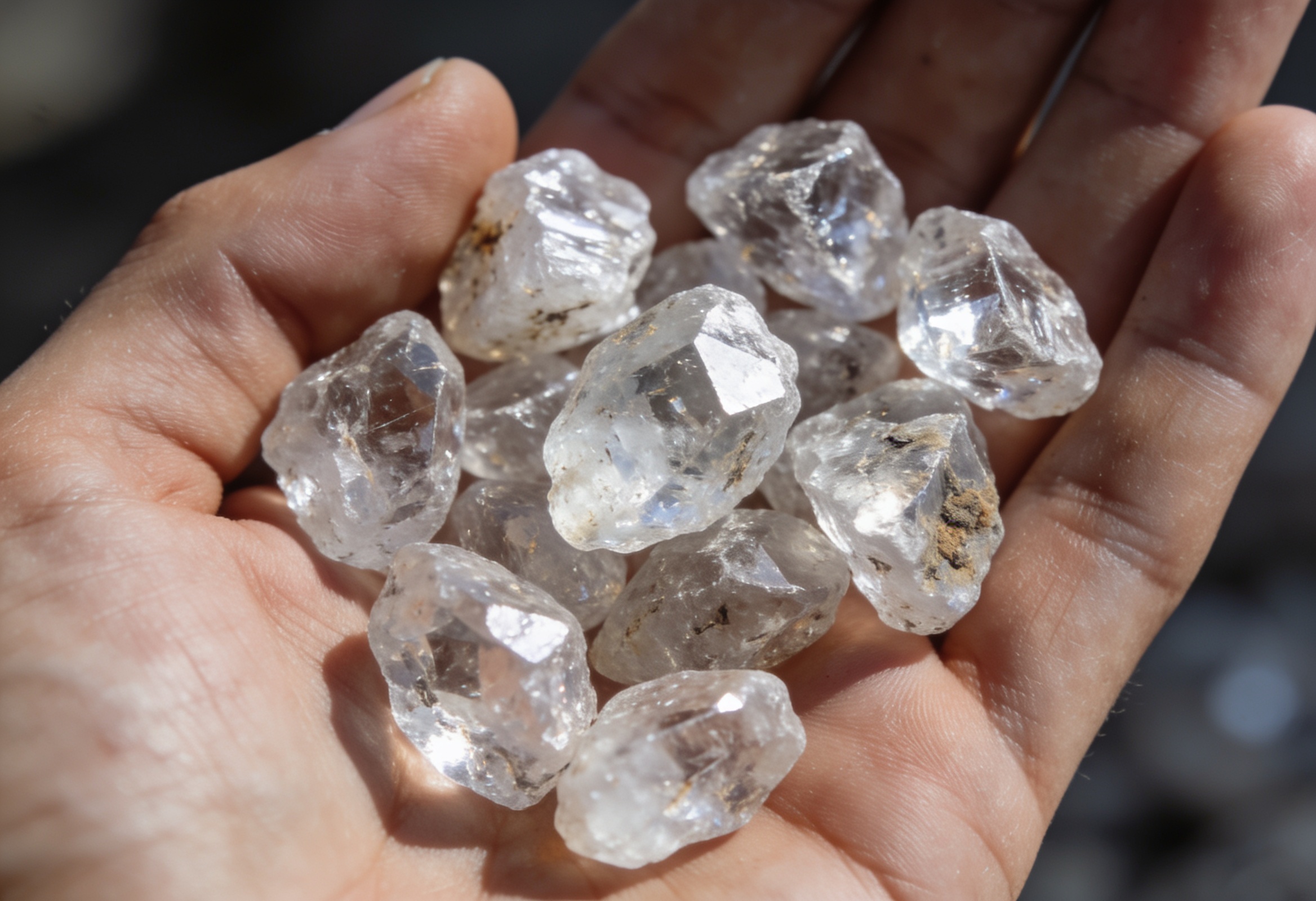
Blood diamonds are rough diamonds mined in areas controlled by rebel groups or warlords and sold to fund violence. The term came out of conflicts in Sierra Leone, Angola, Liberia, and the Democratic Republic of the Congo, where diamond revenue paid for weapons and fuelled wars that killed and displaced millions. They’re also called conflict diamonds because the money flows directly into armed conflict.
The problem is the supply chain. A rough diamond changes hands many times between the mine and the shop, so a stone’s true origin can get obscured along the way. That’s what’s always made the trade so hard to police.
Are all diamonds blood diamonds?
No. Most mined diamonds today are not conflict diamonds, and the worst of the trade has been pushed to the margins. But “most” is not “all,” and that’s the catch. Because of how the supply chain works, even a well-meaning jeweller usually cannot prove a single mined stone never touched a conflict source. The risk is lower than it was, but it’s not zero.
What was done to stop blood diamonds?
In 2003 the industry and governments launched the Kimberley Process, a certification scheme meant to keep conflict diamonds out of the legitimate supply by requiring rough diamonds to travel with origin paperwork. It helped, and the volume of conflict diamonds fell sharply.
But the Kimberley Process has real gaps. Its definition of a “conflict diamond” is narrow, covering only rebel-funded violence, so it doesn’t address stones linked to government abuses, smuggling, or poor labour conditions. Many people in the trade, myself included, see it as a floor, not a guarantee.
How can you be sure a diamond is conflict-free?
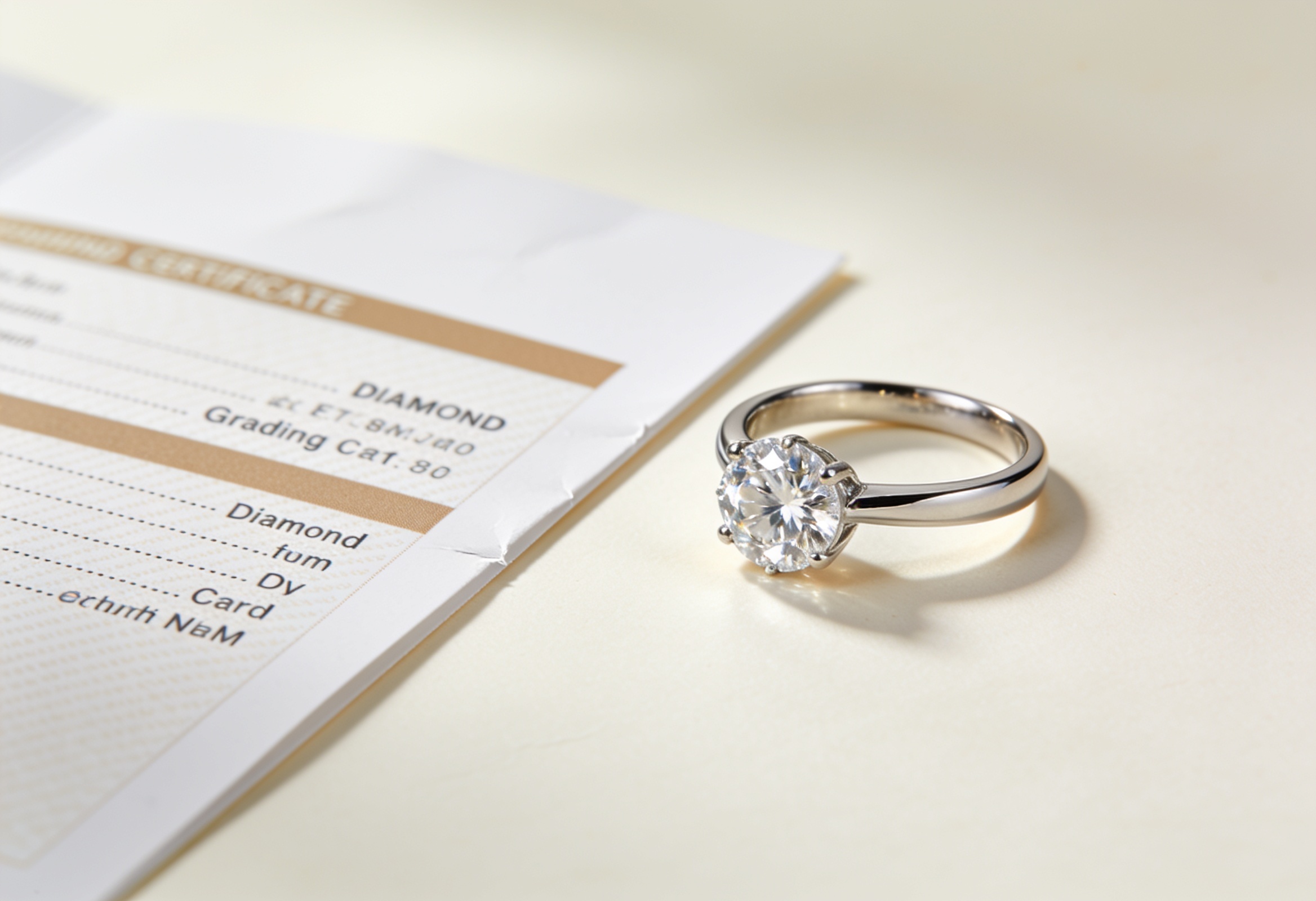
With a mined diamond, you rely on paperwork and trust, and you accept some residual uncertainty. With a lab grown diamond, the question disappears: there is no mine, no war zone, and no murky supply chain, because the diamond was grown in a lab and its origin is known from day one. For a buyer who wants certainty rather than reassurance, that’s the clean answer.
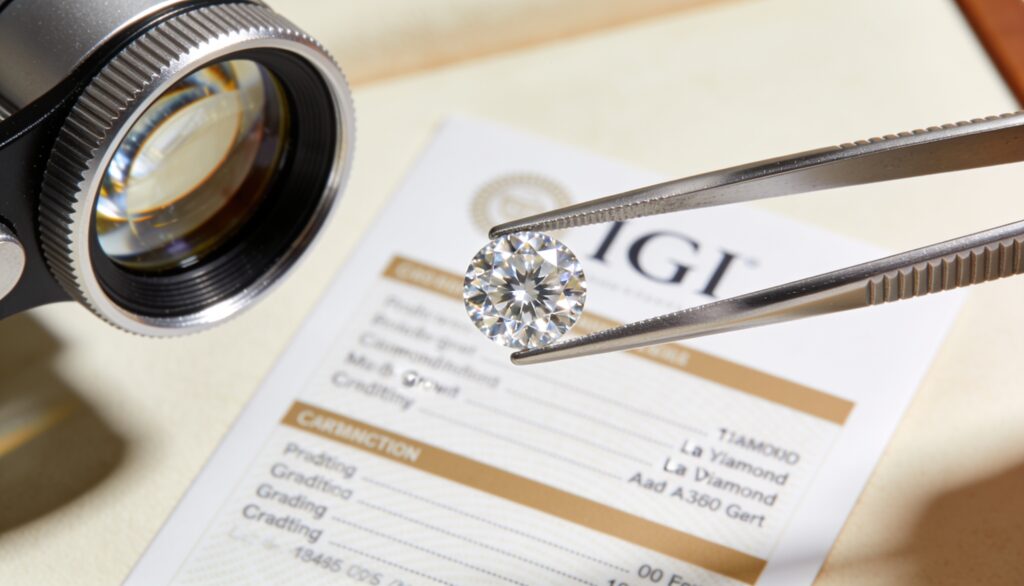
This is a big part of why we built Lux Jewels around lab grown diamonds. Every stone we set is a real diamond, certified by IGI or GIA, with an origin you never have to wonder about.
Want a diamond with a clean origin?
Book a private video call with Suman and we’ll design a certified, conflict-free lab grown diamond piece, a real diamond with an origin you never have to question. No markup games, no sales pressure.
$199 | 30 minutes | Video call
Are lab grown diamonds the ethical choice?
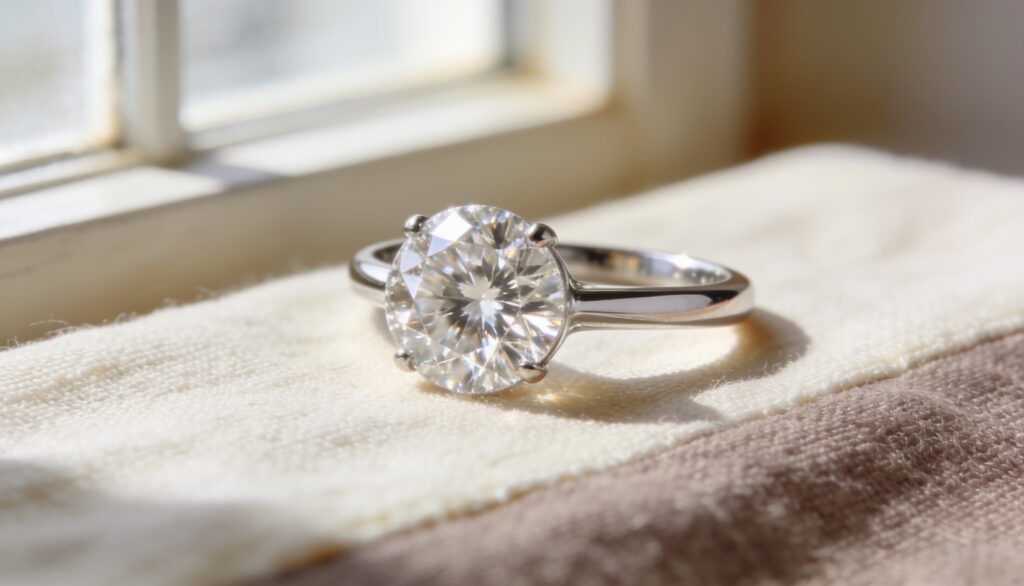
For most people who care about this, yes. A lab grown diamond is chemically identical to a mined one, so you give up nothing in beauty or durability, but you skip the conflict risk entirely and avoid the environmental footprint of mining. We also set ours in repurposed gold, gold that’s already been refined rather than freshly mined, so the whole piece is gentler on people and the planet. It’s the same diamond, just without the baggage, and that’s why it’s become the default choice for buyers who care.
Do lab grown diamonds cost less too?
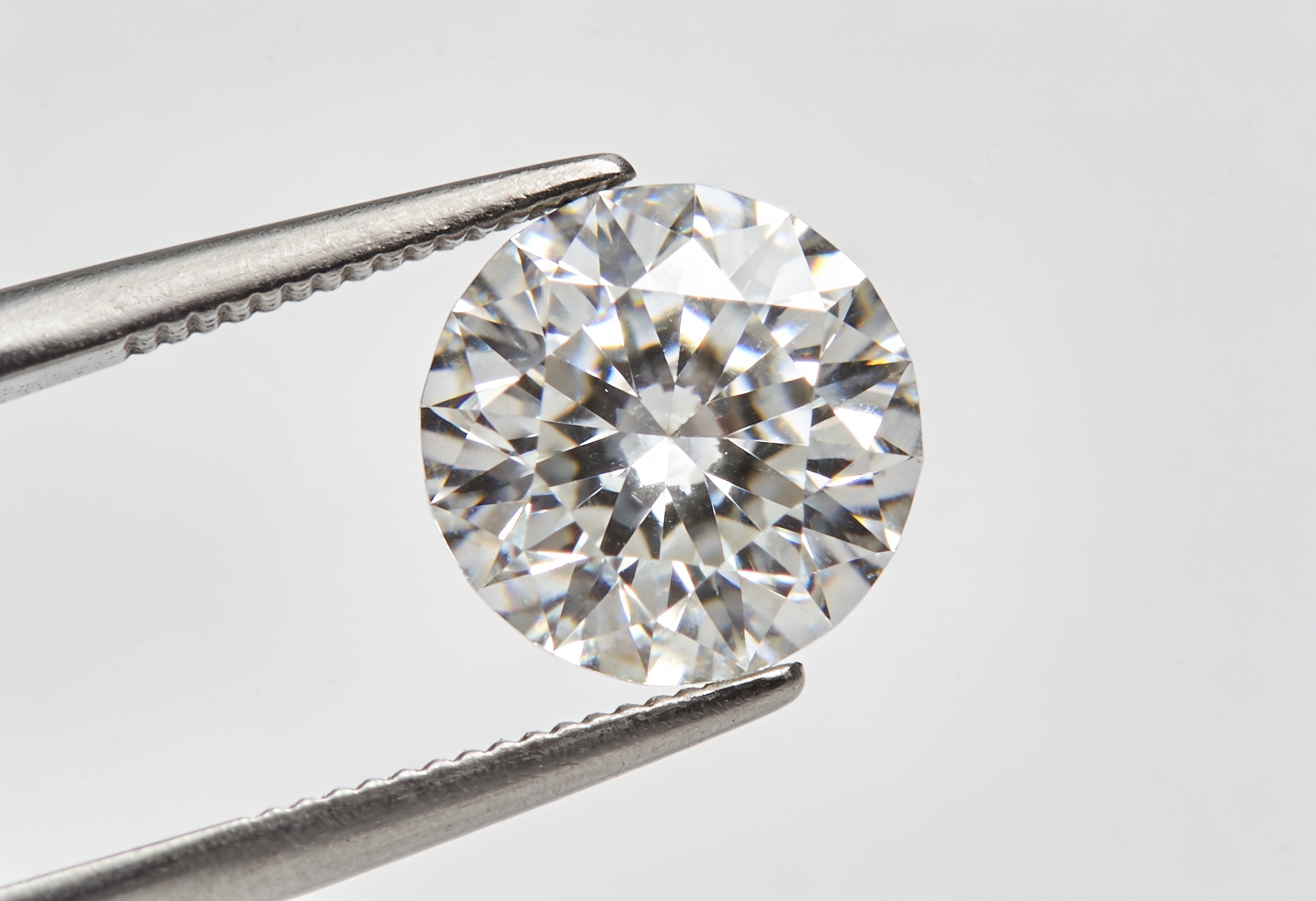
They do, which is the happy part. Because there’s no mining and no inflated mined-diamond markup, a lab grown diamond costs far less than a mined equivalent that looks identical. So the ethical choice is usually also the more affordable one, which means a bigger or better stone for the same budget. You don’t have to choose between your conscience and your wallet.
The honest takeaway
Blood diamonds are far less common than they were, but the mined supply chain can never offer total certainty, and the Kimberley Process only goes so far. If a clean conscience matters to you, a certified lab grown diamond removes the doubt completely: a real diamond, no mine, no conflict, usually for less. If you’d like to see what that looks like for your ring, that’s exactly what our consultation is for.
Frequently asked questions
What is a blood diamond?
A blood or conflict diamond is one mined in a war zone and sold to finance armed conflict. The trade funded civil wars in parts of Africa in the 1990s and 2000s.
Are all diamonds blood diamonds?
No. Most mined diamonds today are not conflict diamonds, but because of the complex supply chain, a single mined stone usually cannot be proven completely conflict-free. Lab grown diamonds carry no such risk.
What is the Kimberley Process?
A 2003 certification scheme that requires rough diamonds to travel with origin paperwork to keep conflict diamonds out of the legitimate trade. It reduced the problem but has gaps, covering only rebel-funded violence.
How do I know my diamond is conflict-free?
With a mined diamond you rely on paperwork and trust. With a lab grown diamond there is no mine or conflict supply chain at all, so its conflict-free origin is certain.
Are lab grown diamonds more ethical than mined?
For most buyers, yes. They carry no conflict risk, have a smaller environmental footprint, and are chemically identical to mined diamonds, so you give up nothing in beauty or durability.
Do lab grown diamonds cost less than mined?
Yes, usually by a wide margin, because there’s no mining and no mined-diamond markup. The ethical choice is often the more affordable one too.
Related reading: lab grown vs natural diamonds, the 4Cs of diamonds, and our lab grown engagement rings.